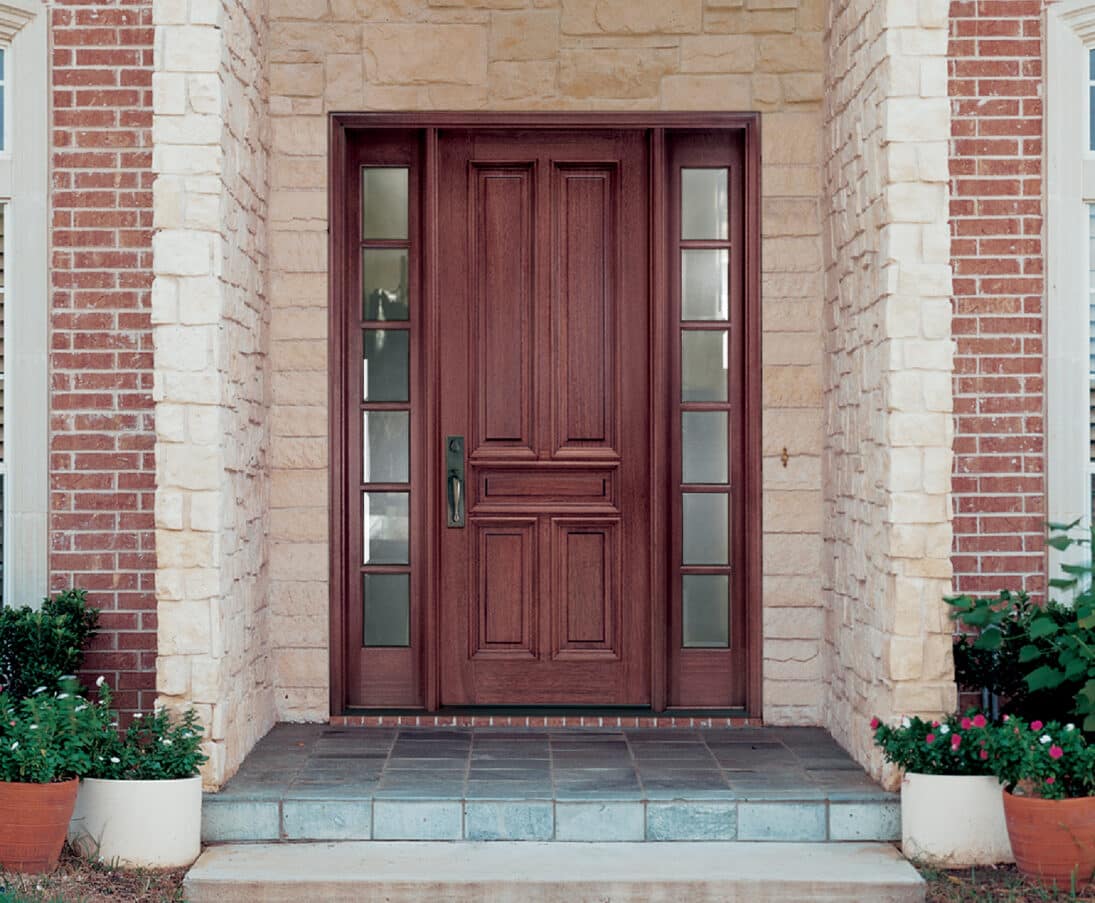
Red stained wood entry door with modern styling.

Is Your Front Door Hurting Your Home’s Energy Efficiency?

How to Tell If Your Front Door Is Hurting Your Home’s Energy Efficiency

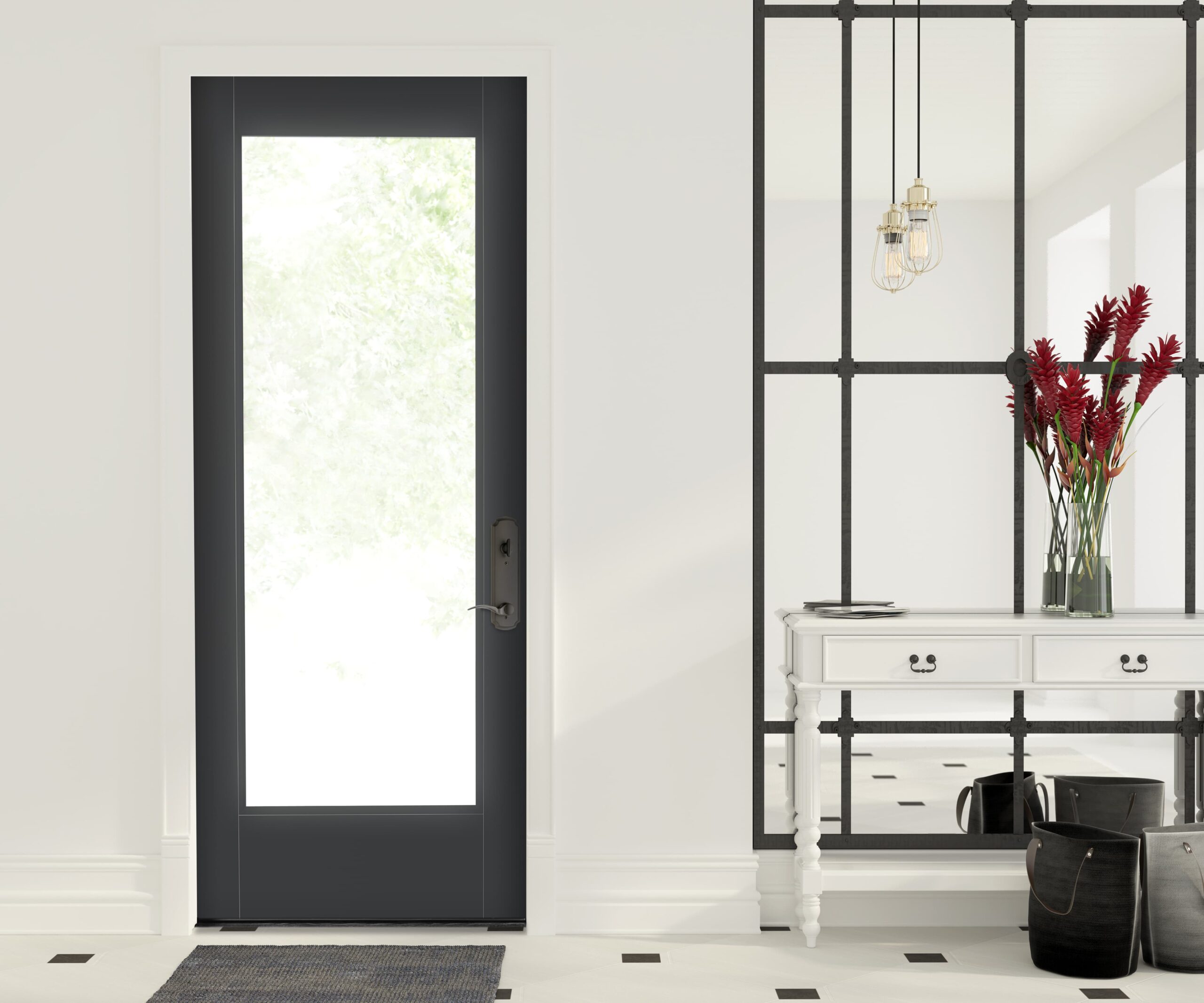
Black fiberglass entry door with glass insert.

Your front door could be responsible for up to 20% of your home’s heat loss—and you might not even know it. If you’ve noticed rising energy bills, cold drafts near your entryway, or your HVAC system running constantly, your front door may be the culprit. In this guide, we’ll show you exactly how to identify energy efficiency problems with your front door, what it’s costing you, and when replacement makes financial sense.

Quick Diagnostic Checklist: 7 Signs Your Front Door Is Failing

Not sure where to start? Run through this quick checklist. If you check even two of these boxes, your front door is likely hurting your energy efficiency:

  • You feel cold air seeping in around the edges when standing near your door on a windy 
  • Light is visible through gaps between the door and frame when closed
  • Your energy bills have increased without changes to usage or rates
  • The door sticks, scrapes, or won’t latch smoothly anymore
  • You see condensation or fogging between glass panels (if your door has windows)
  • Weatherstripping looks cracked, compressed, or missing in sections
  • Your door is over 15-20 years old, especially if it’s solid wood from the 1990s or earlier

Why Your Front Door Matters More Than You Think

Most homeowners focus on windows, insulation, and HVAC systems when thinking about energy efficiency. But according to the U.S. Department of Energy, entry doors account for 18-20% of heat loss in the average home. That’s nearly one-fifth of your heating and cooling dollars escaping through your front entryway.

Your front door serves three critical functions:

  1. Energy barrier: It blocks drafts and prevents heat transfer between inside and outside
  2. Security layer: A properly sealed, sturdy door protects your home from intruders
  3. Curb appeal anchor: Your front door shapes first impressions and can increase home value by 60-65% ROI when replaced

When your door fails at any of these—especially energy efficiency—the consequences add up fast in comfort loss and higher utility bills.

Red stained wood entry door with modern styling.

The 7 Warning Signs of Front Door Energy Loss

1. Drafts and Cold Spots Near Your Entryway

What to look for: Stand near your front door on a cold or windy day. Do you feel cool air moving around your ankles or near the door edges? That’s air infiltration—and it’s costing you.

Simple test: Hold a lit candle or incense stick near the door edges. If the flame or smoke wavers, you have an air leak.

Why it happens: Weatherstripping wears down over time, door frames shift with seasonal expansion and contraction, or the original installation didn’t create a tight seal. In older wood doors, warping from humidity and temperature swings creates permanent gaps

Impact: Drafts force your HVAC system to run longer and harder, increasing energy consumption by 10-20% in affected zones.

2. Visible Light Through Door Edges

What to look for: Close your front door during daylight and walk around the perimeter. Can you see light coming through gaps between the door and frame?

What it means: If light is getting through, air definitely is. This indicates either failed weatherstripping or a door that no longer fits its frame properly.

Quick fix: Weatherstripping replacement can temporarily reduce leaks, but if the door itself is warped or the frame has shifted, replacement is the only permanent solution.

3. Unexplained Increases in Energy Bills

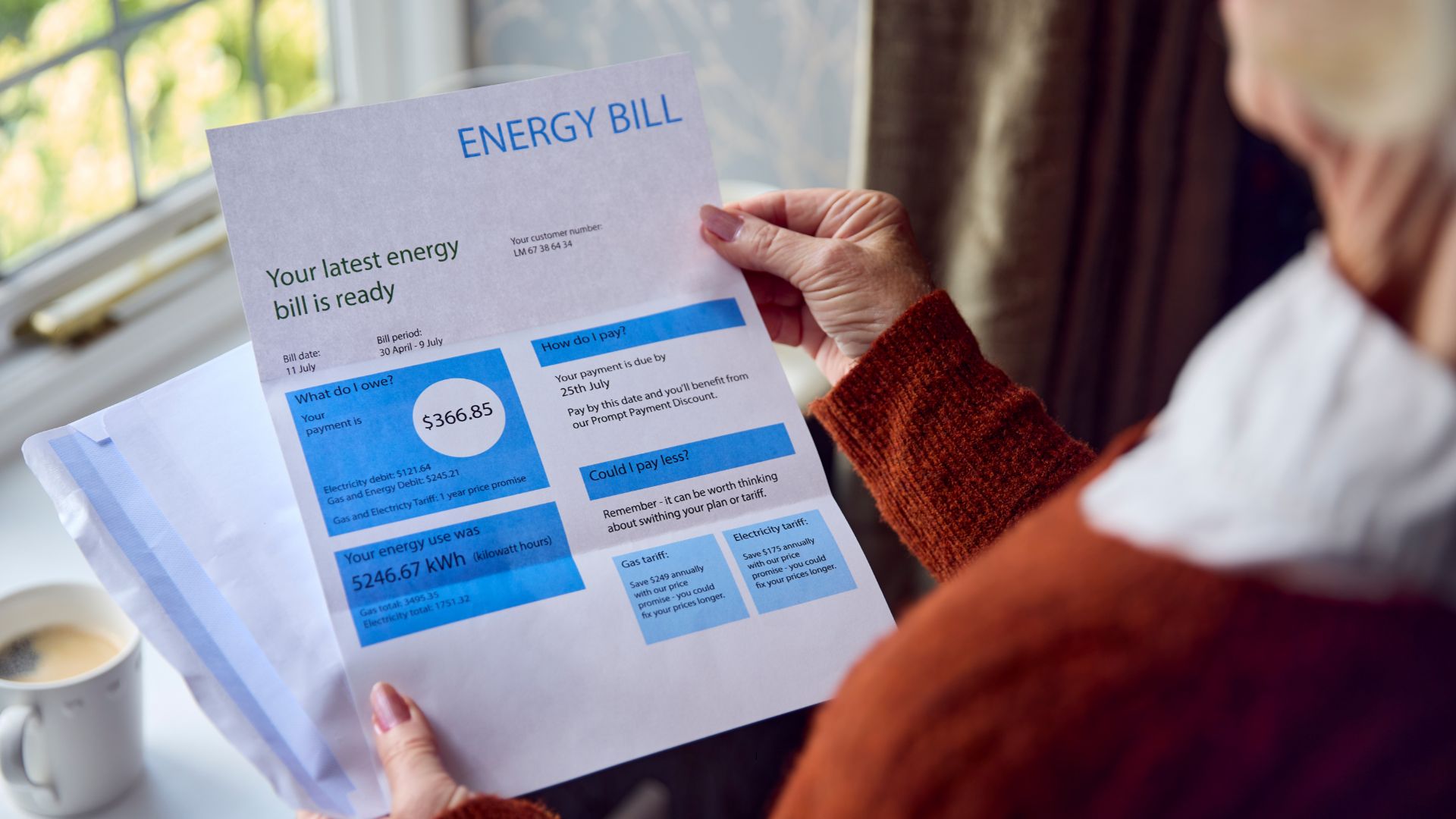
What to look for: Your energy bills are climbing steadily (10-15% or more) without rate increases, new appliances, or changes in household occupancy.

Why it’s your door: Inefficient doors force your heating and cooling systems to compensate for constant heat loss or gain. This is especially costly in climates with extreme temperature swings—like North Carolina’s hot, humid summers and occasional cold snaps.

The math: If your door is contributing to 20% heat loss, you’re essentially paying 20% more to heat or cool air that escapes before it benefits your home.

4. Door Sticking, Scraping, or Difficulty Latching

What to look for: Your door no longer opens and closes smoothly. It sticks in the frame, requires extra force to latch, or the lock feels loose or misaligned.energyswingwindows+1

Why it matters: This isn’t just annoying—it’s a structural warning sign. Doors stick when:

  • Wood warps from moisture absorption and temperature change
  • Frames settle or shift due to home settling or improper installation
  • Hinges loosen over time, causing the door to sag and create gaps
  • Builder-grade doors delaminate (common in steel doors from the 1990s-2000s)

Energy impact: Misaligned doors can’t seal properly, creating air leaks even when weatherstripping looks intact.

5. Condensation or Fogging Between Glass Panels

What to look for: If your front door has glass inserts or sidelights, check for moisture, fogging, or a cloudy haze between the panes that won’t wipe away.

What it means: The insulating seal has failed. Double or triple-pane glass relies on sealed air or gas (argon, krypton) between layers for insulation. When that seal breaks:

  • Moisture enters the space between panes
  • Insulation value drops dramatically
  • The glass becomes a thermal bridge, transferring heat directly

Cost impact: Failed glass seals can reduce your door’s energy efficiency by 30-40% compared to intact insulated glass.

6. Worn, Cracked, or Missing Weatherstripping

What to look for: Examine the weatherstripping around your door frame. It should be flexible, intact, and create a tight seal when the door is closed. Watch for:

  • Cracks or brittleness (weatherstripping becomes hard and loses elasticity)
  • Compression or flattening (no longer springs back when pressed)
  • Missing sections (especially at corners or bottom threshold)
  • Discoloration or mold growth (indicates moisture infiltration)

Temporary solution: Replacing weatherstripping is inexpensive ($20-50 for materials) and can reduce drafts significantly.

Limitation: If the door itself is warped, damaged, or poorly insulated, weatherstripping alone won’t solve the underlying efficiency problem.

7. Your Door Is Over 15-20 Years Old

Age matters: If your front door was installed before 2005, it likely doesn’t meet modern energy efficiency standards.

Older door problems:

  • Solid wood doors from the 1990s or earlier lack foam insulation cores and warp easily in humidity
  • Early steel doors often had thin metal skins with minimal insulation that degraded over time
  • Single-pane glass (common in older doors) provides almost no insulation value compared to modern double or triple-pane options

Modern improvements: Today’s energy-efficient doors feature:

  • Fiberglass or steel construction with polyurethane foam cores (R-values of 5-6 vs. 2-3 for old wood)energyswingwindows+1
  • Precision-fit frames with factory-installed weatherstripping
  • Low-E coated, argon-filled double or triple-pane glass
  • Thermal break technology to prevent heat transfer through the frame

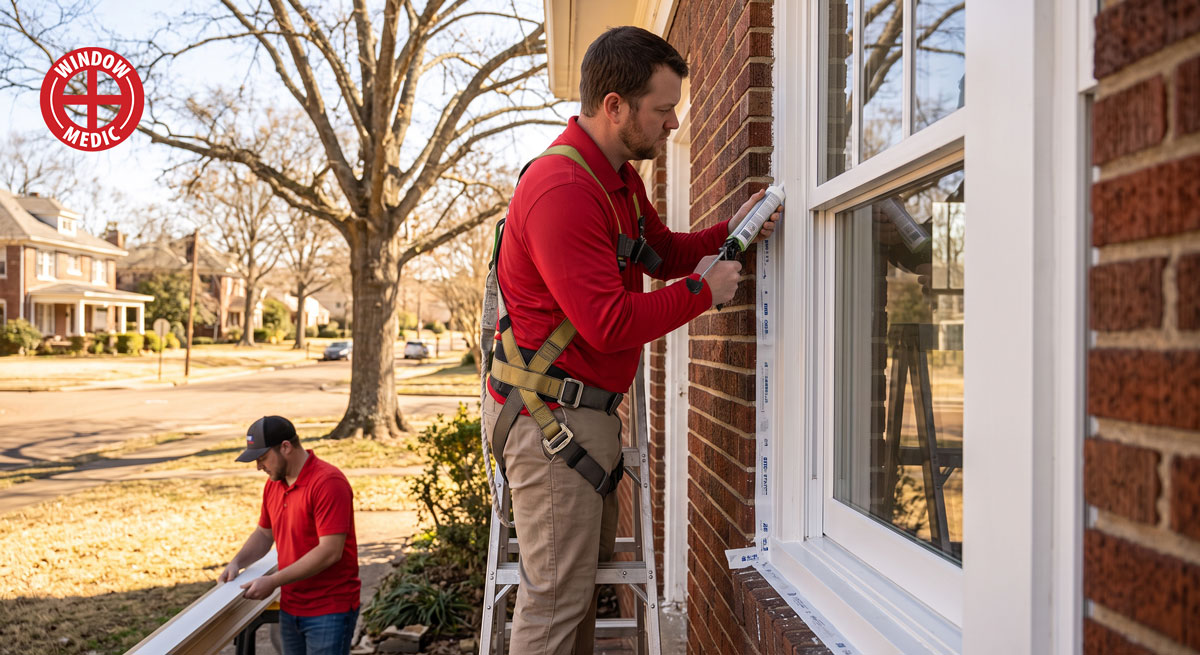
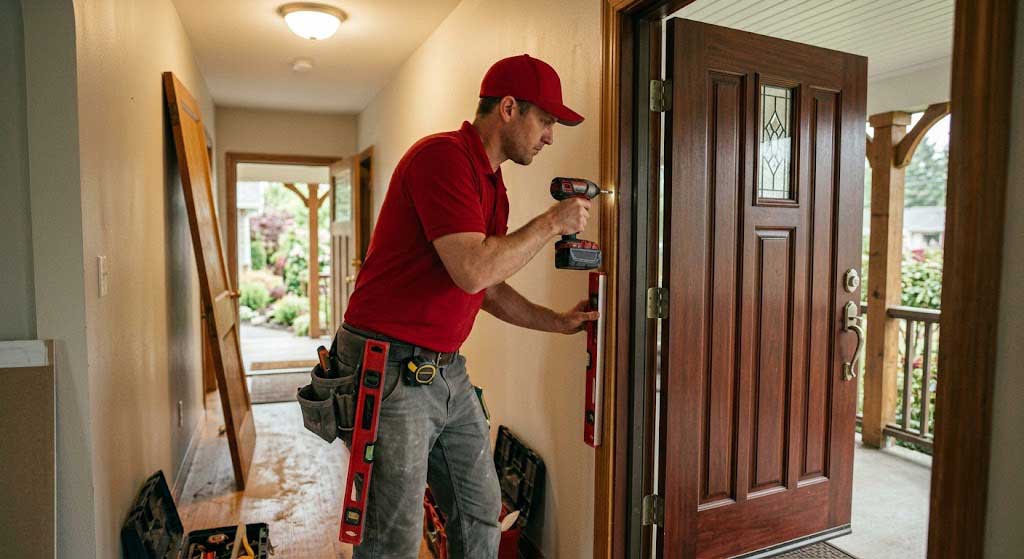
Window Medic worker installing a new entry door.

How Much Is Your Inefficient Door Costing You?

Let’s break down the real cost of an energy-inefficient front door:

Heat Loss Calculation

If your door accounts for 18-20% of your home’s heat loss, and your annual heating/cooling costs are $2,000 (national average for a 2,000 sq ft home):

  • Annual loss: $360-400 wasted on air that escapes through your door
  • 10-year cost: $3,600-4,000 in avoidable energy expensessofeminine.co+1

Comfort Costs

Beyond dollars, inefficient doors create:

  • Cold spots near entryways in winter, making rooms uncomfortable
  • Hot drafts in summer, forcing your AC to overcompensate
  • Noise infiltration from street traffic, neighbors, or weather
  • Security vulnerabilities from warped or poorly sealing doors

DIY Energy Audit: Test Your Front Door in 10 Minutes

You don’t need a professional to check your door’s efficiency. Follow this quick audit:

Step 1: The Hand Test

On a windy day, run your hand slowly around the entire perimeter of your closed door. Feel for air movement at:

  • Top edge
  • Both sides (especially near hinges and latch)
  • Bottom threshold
  • Around any glass panels or sidelights

Air movement = air leak.

Step 2: The Paper Test

Close your door on a piece of paper or dollar bill, positioning it at various points around the frame. Try to pull it out:

  • If it slides out easily with little resistance, there’s a gap
  • If it tears or requires significant force to remove, the seal is good

Test at least 6 points around the door perimeter.

Step 3: The Light Test

Close your door during daylight (or have someone shine a bright flashlight from outside at night). Walk around the inside perimeter and look for light seeping through. Any visible light = air leak.

Step 4: The Flame Test

Light a candle or incense stick. Hold it near door edges and watch for:

  • Flame flickering or smoke wavering = air movement
  • Steady flame/smoke = good seal

Safety note: Keep flames away from curtains, decorations, or flammable materials.

Quick Fixes vs. Full Replacement: What’s Right for You?

Not every inefficient door needs immediate replacement. Here’s how to decide:

DIY Fixes That Help

  • Replace weatherstripping: Addresses minor air leaks around the frame
  • Install a door sweep: Seals the gap at the bottom of the door
  • Apply caulk around the frame: Fills gaps between frame and wall
  • Add corner seals: Targets common leak points at frame corners
  • Lubricate hinges and locks: Ensures proper door alignment and function

Best for: Doors in good structural condition with localized sealing issues.

When Replacement Makes Sense

Consider full door replacement if:

  • Multiple issues present (drafts + sticking + old age + high bills)
  • DIY fixes don’t resolve problems after 2-3 attempts
  • Door is 15+ years old, especially pre-2005 wood or builder-grade steel
  • Visible damage exists (cracks, rot, rust, warped panels)
  • Glass seals have failed (fogging between panes)
  • Energy bills remain high despite sealing efforts

ROI benefit: New energy-efficient front doors return 60-65% of their cost in home value increase, plus ongoing energy savings.

Choosing an Energy-Efficient Replacement Door

If replacement is the answer, here’s what to look for:

Best Materials for Energy Efficiency

Material

Pros

Cons

Best For

Fiberglass

Excellent insulation (R-5 to R-6), won’t warp or rot, low maintenance, can mimic wood grain

Higher upfront cost

Most climates, especially humid areas like North Carolina

Steel

Good insulation (R-5 to R-6), most affordable, high security, durable

Can dent, may rust if finish is damaged

Budget-conscious homeowners, security-focused

Insulated Wood

Beautiful natural appearance, moderate insulation (R-2 to R-3 with foam core)

Higher maintenance, can warp in humidity, least energy-efficient

Historic homes, aesthetic priority

Key Features to Require

  • ENERGY STAR certification: Meets federal efficiency standards for your climate zone
  • Polyurethane foam core: Provides superior insulation compared to hollow or wood-only cores
  • Double or triple-pane Low-E glass: Reflects heat and blocks UV rays while insulating
  • Argon or krypton gas fill: Increases insulation value between glass panes
  • Thermal break frame: Prevents heat transfer through the door frame
  • Factory-installed weatherstripping: Ensures proper seal from day one

Tax Credits and Rebates

Don’t forget: ENERGY STAR-certified doors may qualify for:

  • Federal tax credits up to 30% of project cost (check current 25C credits)
  • Local utility rebates for energy-efficient upgradesn
  • Manufacturer promotions and seasonal discounts

Why Window Medic LLC for Your Front Door Replacement?

At Window Medic, we specialize in helping homeowners identify and solve energy efficiency problems—not just with windows, but with doors too. Here’s why we’re your best choice:

  • Local expertise: We understand the greater Memphis area’s climate challenges and recommend solutions that perform in our heat and humidity
  • ENERGY STAR certified products: We only install doors that meet or exceed federal efficiency standards
  • Professional installation: Proper fit and sealing are critical—a poorly installed door loses 30-40% of its efficiency potential
  • Free energy audits: We’ll assess your current door’s efficiency and show you the ROI of replacement
  • Transparent pricing: No hidden fees or surprise charges
  • Financing options: Make energy upgrades affordable with flexible payment plans

Ready to Stop Losing Money Through Your Front Door?

If you checked two or more boxes on our diagnostic checklist, it’s time to take action. Contact Window Medic today for:

  • Free in-home energy efficiency assessment
  • Customized door replacement recommendations
  • Detailed cost-benefit analysis showing your payback period
  • No-obligation quote on premium, energy-efficient doors

Call 901-427-2742 or visit midsouthwindowmedic.com to schedule your free consultation. Don’t let another season go by with your heating and cooling dollars escaping through your front door.

Continue reading

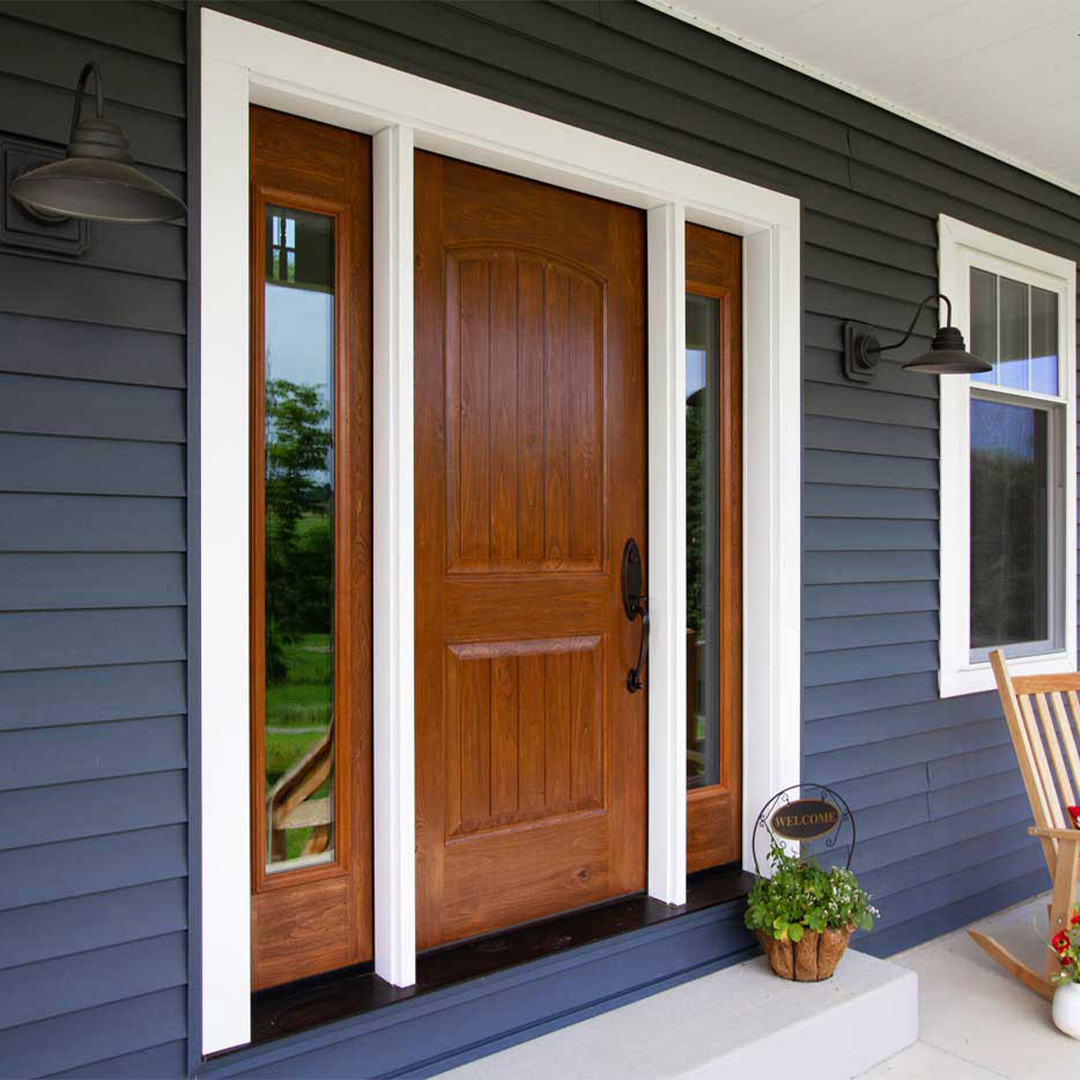
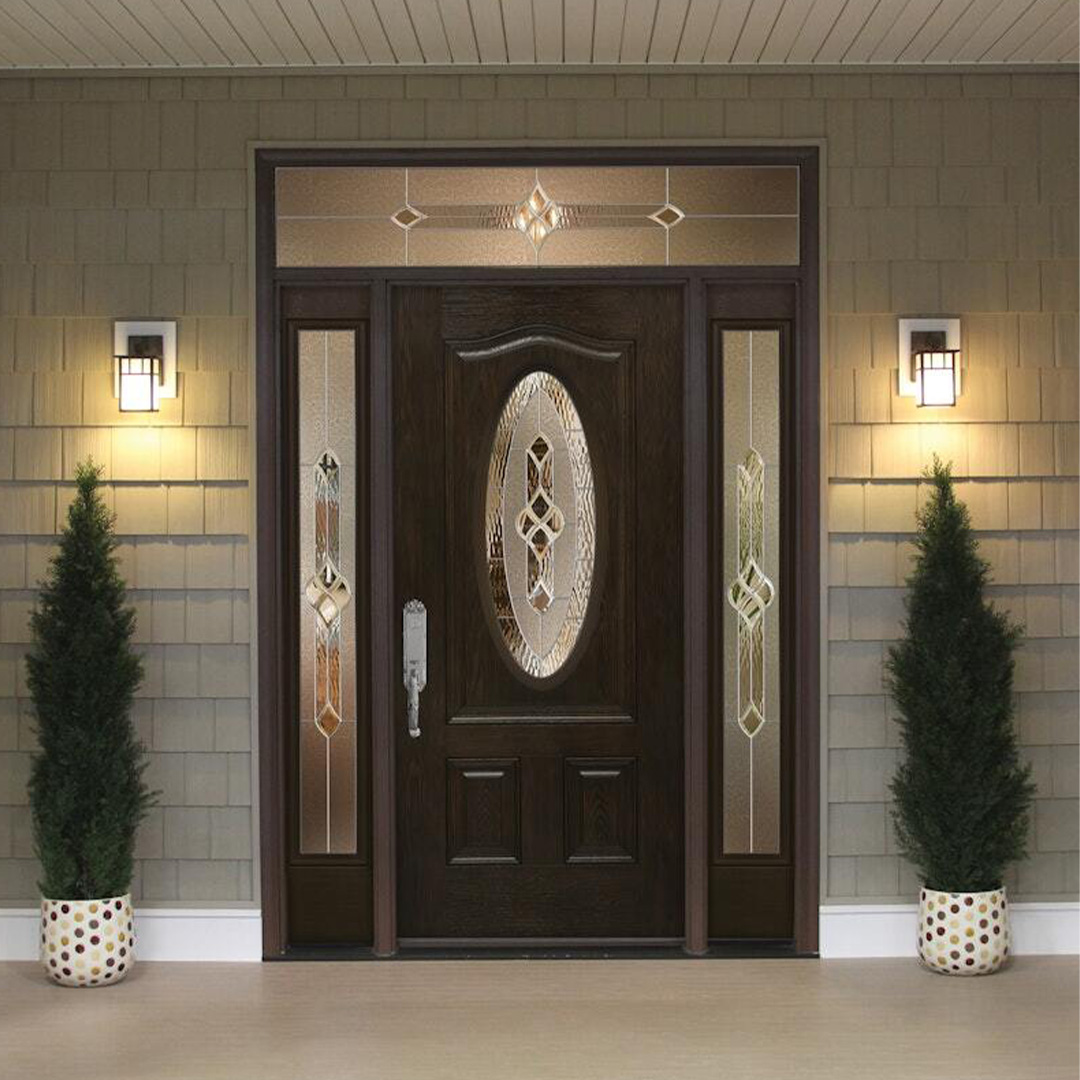
Stylish wood entry door from Provia.

2026 Entry Door Trends in Memphis and the Mid-South

Top Entry Door Trends for 2026: Styles That Boost Memphis Curb Appeal

Stylish wood entry door from Provia.

Your front door is the first thing visitors, neighbors, and future buyers notice about your home. In 2026, entry door design is all about balancing timeless style with smart performance — and Memphis homeowners are paying attention. Whether you live in a craftsman bungalow in Midtown, a new build in Collierville, or a ranch-style home in Southaven, the right entry door replacement can lift your home’s curb appeal and its resale value at the same time.

At Window Medic, we’ve spent over 40 years helping homeowners across the Greater Memphis Area and North Mississippi choose doors that look great and stand up to Mid-South weather. Here are the entry door trends shaping Memphis homes in 2026 — and how to pick the one that fits your house.

Why Your Entry Door Matters for Curb Appeal

Industry coverage citing the Houzz U.S. Houzz & Home Study reports that shades like deep navy, forest green, and classic black continue to generate the strongest response in the 2026 market. That staying power is a signal: a fresh, well-chosen entry door is one of the most visible ways to refresh a home’s exterior.

For Memphis homeowners, it’s not just about looks. Hot, humid summers and the occasional severe storm mean your door also needs to insulate, resist warping, and hold up to humidity. The best 2026 trends do both — they photograph beautifully and perform in Tennessee and North Mississippi weather.

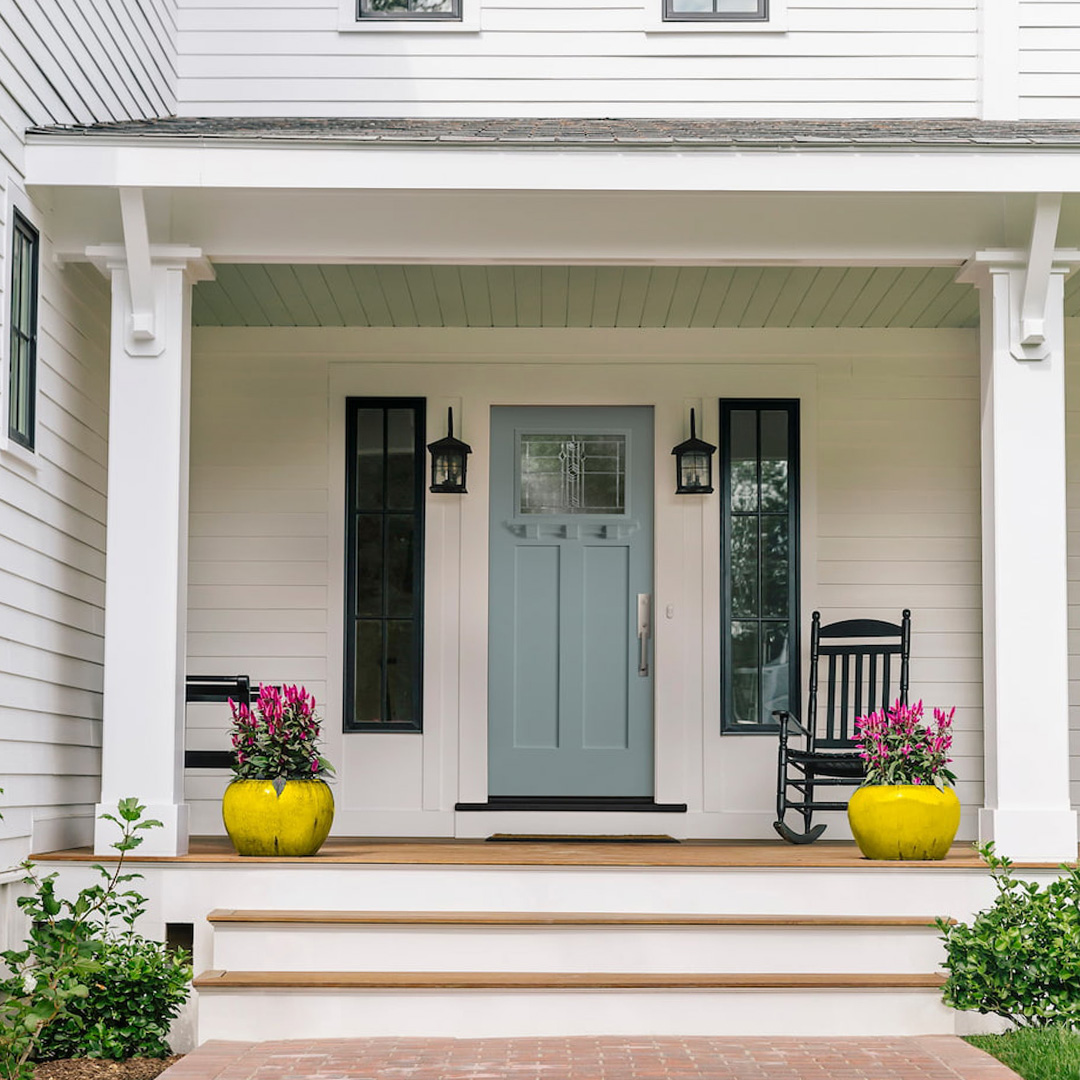
Stylish blue colored entry door from Pella.

Trend 1: Matte Black and Deep Navy Doors

Bold, high-contrast doors continue to lead the market. Matte black remains the most popular front door finish, and designers say it pairs cleanly with both modern and traditional home styles. Deep navy blue and charcoal are close behind, offering the same dramatic contrast without going fully black. Pella offers some of the most stylish modern entry door selections on the market.

In 2026, the finish matters as much as the color. Matte and satin finishes read as contemporary and premium, while high-gloss black is starting to feel dated. A matte black fiberglass or steel door on a white, cream, or light-gray Memphis home is one of the most striking combinations you can choose.

Trend 2: Warm, Nature-Inspired Colors

If black feels too bold, 2026’s color forecasts point to warmer, earthier tones. Sage green, olive, forest green, terracotta, and warm greige are replacing the cool grays that dominated the last decade. These colors complement brick, stone, and landscaping naturally — a great fit for established Midtown and East Memphis neighborhoods with mature trees.

Designers note that earthy greens reflect a shift toward nature-based design and complement landscaping perfectly. Terracotta and burnt-orange tones are also trending as a warmer, more grounded replacement for the classic bright red front door.

Trend 3: Fiberglass Doors That Look Like Real Wood

Fiberglass entry doors continue to gain popularity because they offer the beauty of wood with far less upkeep. They resist warping and cracking, need minimal maintenance, and come in realistic wood-grain finishes that mimic mahogany, oak, or knotty alder. Many fiberglass doors also feature insulated cores that improve comfort and lower energy bills.

For the Mid-South’s humid climate, fiberglass is hard to beat. You get the warm, inviting look of a wood door without the annual refinishing, swelling, or rot that real wood can suffer in Tennessee and North Mississippi weather.

Trend 4: Sidelites, Transoms, and Larger Glass Inserts

Brighter entryways are a top priority in 2026. Homeowners are choosing doors with larger decorative glass inserts, full-length sidelites, and transom windows above the door to bring more natural light into the foyer.

Sidelites

Brighter entryways are a top priority in 2026. ProVia offers privacy glass panel designs, including options for sidelites, to create an entryway that fits your personal style and enhances curb appeal

Transoms

Transoms sit above the door and add height and balance to the entry.

Decorative Glass Inserts

Glass inserts — clear, frosted, beveled, or decorative — let you customize privacy and style while letting in natural light.

On Houzz, entry doors with sidelights and transoms appear in over 142,000 home design photos, a clear sign of how popular the look has become. Today’s energy-efficient glass options, including Low-E glazing, help maintain indoor comfort while letting sunlight pour in.

Trend 5: Craftsman and Modern Door Styles

Two architectural styles are dominating Memphis entryways right now.

Craftsman Entry Doors

Craftsman doors reflect the Arts and Crafts movement’s emphasis on natural materials and handmade quality. They typically feature glass panels concentrated in the upper third of the door, vertical or diamond grille patterns, and warm wood tones — a natural fit for bungalows and cottage-style homes.

Modern Front Doors

Modern front doors prioritize clean lines, minimal ornamentation, and large expanses of glass. Think single-slab or flat-panel construction, full-length glass panels, matte black or natural wood finishes, and concealed hardware. These suit contemporary new builds and updated ranch homes across Collierville, Germantown, and Olive Branch.

Not sure which fits your home? A traditional raised-panel door with sidelights and a transom remains the most commonly specified door in established neighborhoods — a safe, timeless choice that still looks current.

Trend 6: Smart Locks and Modern Security Features

Security and convenience are merging in 2026. Today’s modern entry doors increasingly incorporate smart locks, video doorbells, mobile access controls, and motion-activated lighting. These features improve everyday convenience while boosting home security.

For Memphis homeowners, a high-security steel or fiberglass door paired with a smart lock gives you peace of mind and a clean, updated look. Upgrading your door is also the perfect time to refresh your hardware — satin brass and matte black are the strongest contemporary finishes right now.

Provia fiberglass entry door with modern windows.

Choosing the Right Entry Door for Your Memphis Home

When selecting a new front door, consider three things: your home’s architecture, our local climate, and your goals for resale value. A craftsman-style fiberglass door with sidelites and a transom works beautifully on a traditional brick home in Germantown. A matte black modern door with a full glass panel suits a contemporary build in Cordova. A warm sage-green door can refresh a ranch home in Hernando or Horn Lake without overwhelming it.

The good news? A standard entry door replacement can often be completed in a single day, so the upgrade is less disruptive than you might expect. Whether you’re searching for entry door replacement in Memphis, front door replacement in Collierville, or exterior door installation in North Mississippi, the right 2026 door style — including custom entry door systems built to fit your home — can improve curb appeal, comfort, and security at the same time.

Ready to Boost Your Curb Appeal?

At Window Medic, we offer a wide range of entry doors — including durable fiberglass, high-security steel, double-glass storm doors, and beautiful wood doors — installed by local experts with over 40 years of experience serving Memphis and North Mississippi. We’ll help you choose the best material and style to match your home’s architecture and your personal taste. Learn more about our entry door replacement in Memphis.

Call us at901-427-2742 or contact Window Medic today for a free entry door replacement quote. Serving Memphis, Bartlett, Germantown, Collierville, Cordova, Southaven, Olive Branch, Hernando, and the surrounding Mid-South area.

Continue reading

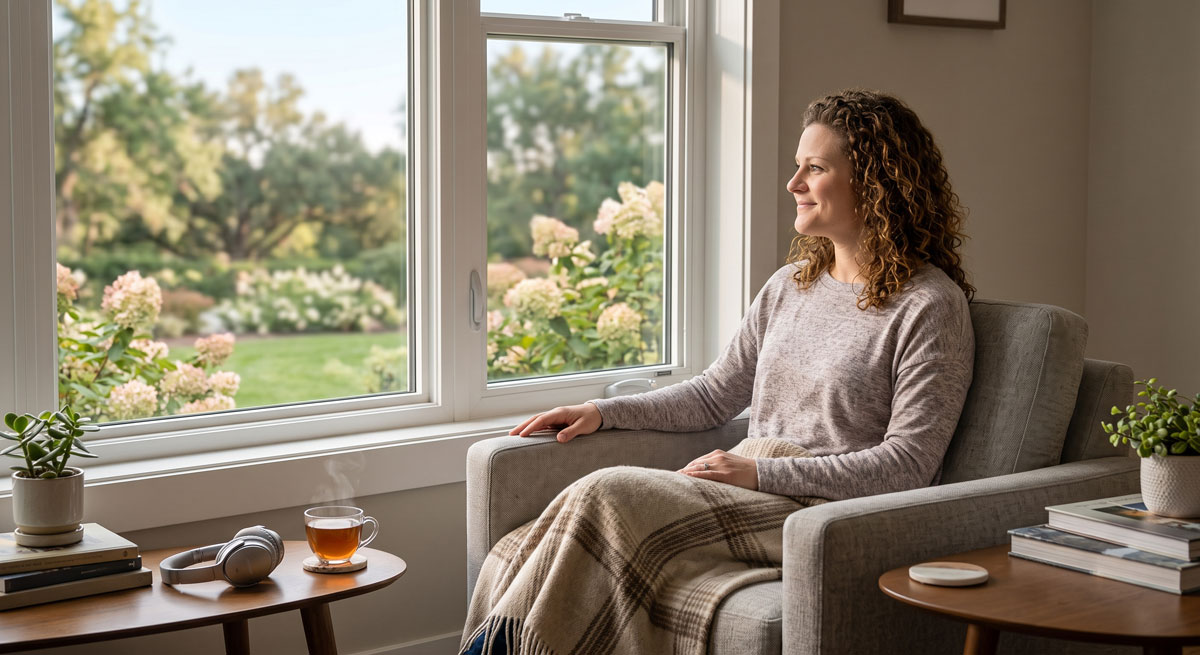
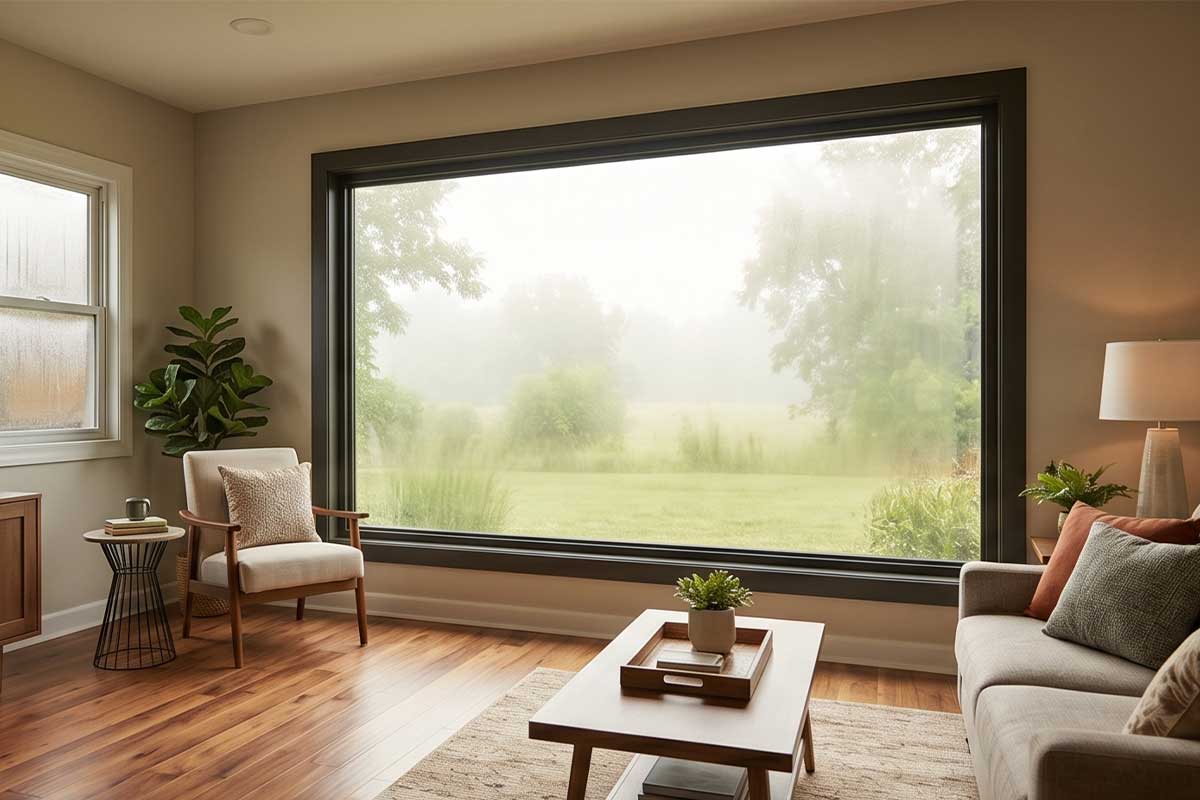
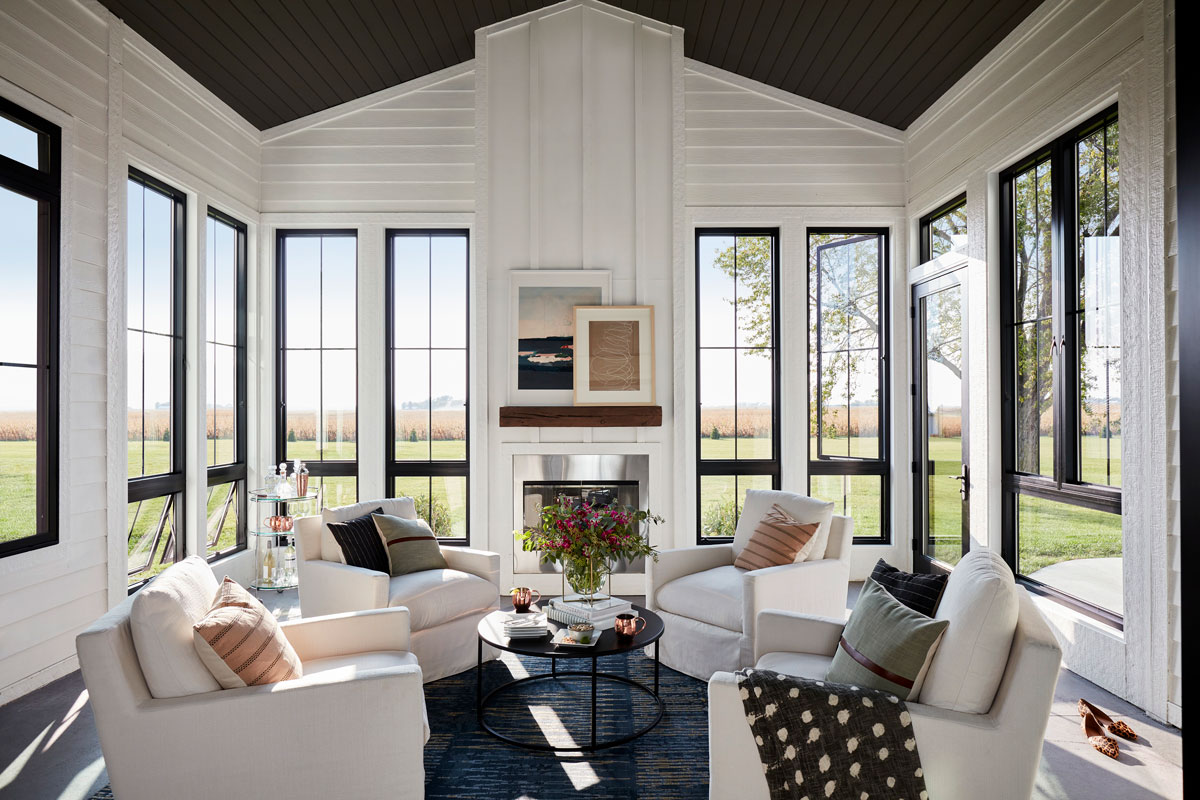
Large window in a living space showing natural lighting.

Beat the Heat and Humidity by Replacing Your Windows

The Best Replacement Windows for Heat and Humidity in the Mid-South

Large window in a living space showing natural lighting.

Living in the Mid-South means dealing with two guarantees every summer: relentless heat and heavy humidity. If your home’s windows are aging or poorly insulated, you are likely feeling that muggy weather indoors—and paying for it with skyrocketing AC bills.

At Window Medic, we know that off-the-shelf windows often fail in our unique climate. To truly protect your home, reduce your energy costs, and maintain a comfortable indoor temperature, you need replacement windows specifically engineered for the South.

Here is your comprehensive guide to choosing the best replacement windows to beat the Mid-South heat and humidity.

Why the Mid-South Climate Demands Specialized Windows

The combination of high temperatures and dense moisture puts incredible stress on your home’s exterior. Inferior window frames can swell, rot, or warp when exposed to constant humidity. Meanwhile, standard single-pane glass acts like a magnifying glass for the sun’s heat, forcing your HVAC system to work overtime.

Choosing the right combination of frame material and glass technology is the only way to lock the cool air in and keep the sticky summer heat out.

Top Window Frame Materials for Humid Climates

The frame holds your window together, but not all materials can survive a Mid-South summer without breaking down.

  • Vinyl (uPVC): The Smart, Cost-Effective Choice. Vinyl is the most popular replacement window material in our region for good reason. It is 100% non-porous, meaning it will never absorb moisture, rot, or swell in high humidity. Premium vinyl frames are built with hollow, multi-chambered profiles that act as natural insulators against the heat.
  • Fiberglass: The Premium Durability Upgrade. Fiberglass is incredibly strong and offers exceptional thermal performance. Its biggest advantage in hot climates is that it expands and contracts at the exact same rate as the glass it holds. This means the window seals stay perfectly tight over decades of intense temperature shifts, preventing humid air from leaking into your home.
  • What to Avoid: Traditional unclad wood is highly susceptible to rotting and swelling in damp environments, requiring constant maintenance. Standard aluminum frames should also be avoided, as they conduct heat rapidly and are prone to severe condensation when the hot outdoor air hits the cooled indoor glass.

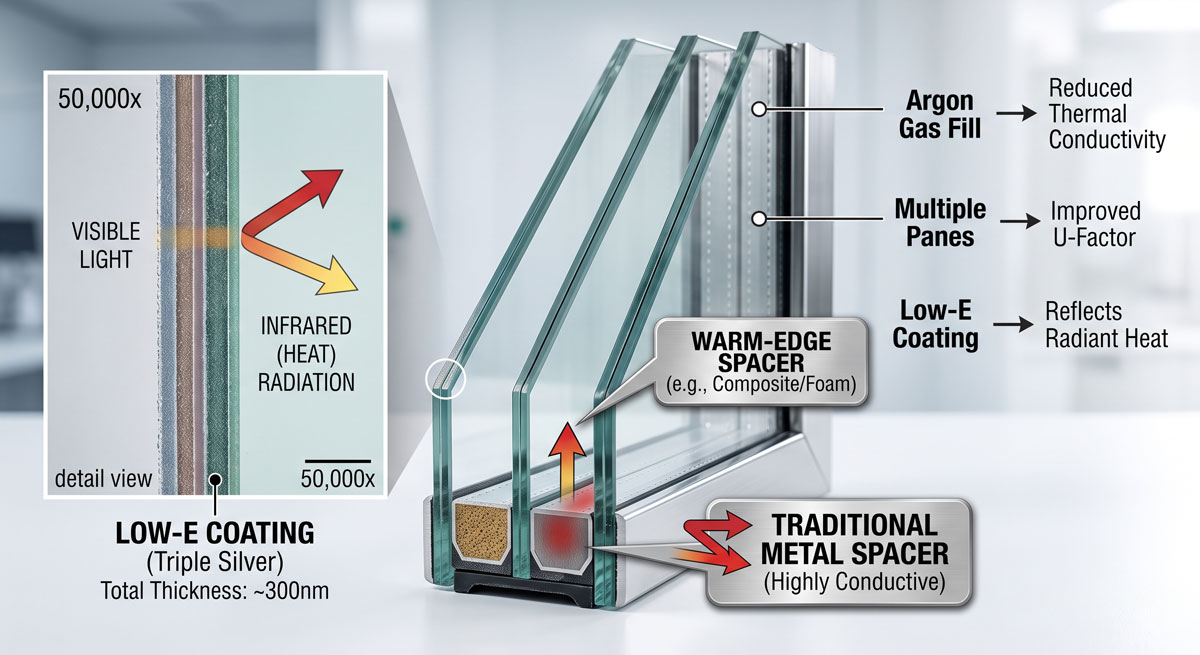
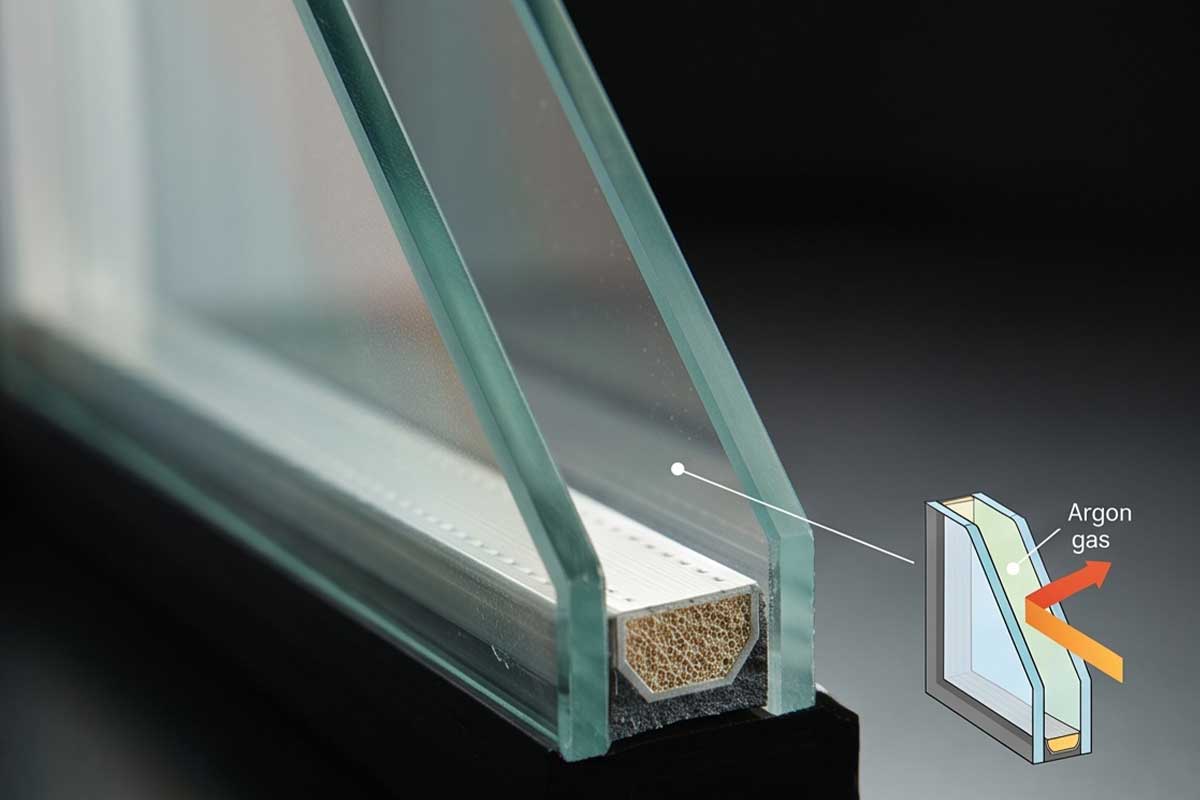
Detailed view of a double strength window with argon gas.

The Secret to Energy Efficiency: The Glass Package

The frame provides the structure, but the glass does the heavy lifting when it comes to blocking heat. When shopping for windows at Window Medic, look for these three essential glass features:

1. Low-E Coatings and a Low SHGC

Low-Emissivity (Low-E) glass features a microscopically thin coating of metal oxide that reflects the sun’s infrared heat away from your home while still letting natural light in.

For the Mid-South, you must pay attention to a window’s Solar Heat Gain Coefficient (SHGC). This measures how much heat from the sun passes through the glass. To qualify for ENERGY STAR ratings in the Southern climate zone, you want an SHGC of 0.23 or lower.

2. Double-Pane Glass with Argon Gas

Single-pane windows offer almost no insulation. Dual-pane windows feature two panes of glass separated by an insulating space. Upgrading that space with Argon gas—a harmless, dense, invisible gas—slows down the transfer of heat significantly better than standard air, keeping your home’s interior cool.

3. Warm-Edge Spacers

The spacer is the seal that holds the two panes of glass together. In highly humid areas, a “warm-edge” spacer is critical. It insulates the edges of the window glass, preventing the condensation and moisture buildup that can eventually lead to mold and window seal failure.

Best Window Styles to Seal Out Humidity

If keeping humid air out of your house is a top priority, the physical style of the window matters just as much as the materials.

  • Casement Windows: These windows crank outward to open. When closed, the sash locks directly into the frame, compressing the weatherstripping on all four sides. This creates the tightest, most energy-efficient seal of any operable window type.
  • Picture Windows: Because they are fixed and do not open, picture windows have zero moving parts and no potential for air leaks. They are excellent for large, sun-facing walls where maximum heat rejection is needed without sacrificing the view.
  • Awning Windows: Hinged at the top, awning windows open outward. They are great for humid climates because you can leave them open for ventilation during a light summer rainstorm without letting water into the house.

Trust Window Medic for Your Replacement Needs

Even the most expensive, energy-efficient window in the world will leak air and moisture if it is not installed correctly.

At Window Medic, our expert installers understand the specific demands of the Mid-South climate. We ensure every window is meticulously measured, plumbed, and properly sealed against the elements so you can enjoy lower energy bills and a cooler home for decades to come.

Ready to upgrade your home’s defense against the heat and humidity? Contact Window Medic today to schedule a consultation and find the perfect windows for your budget and style.

Continue reading

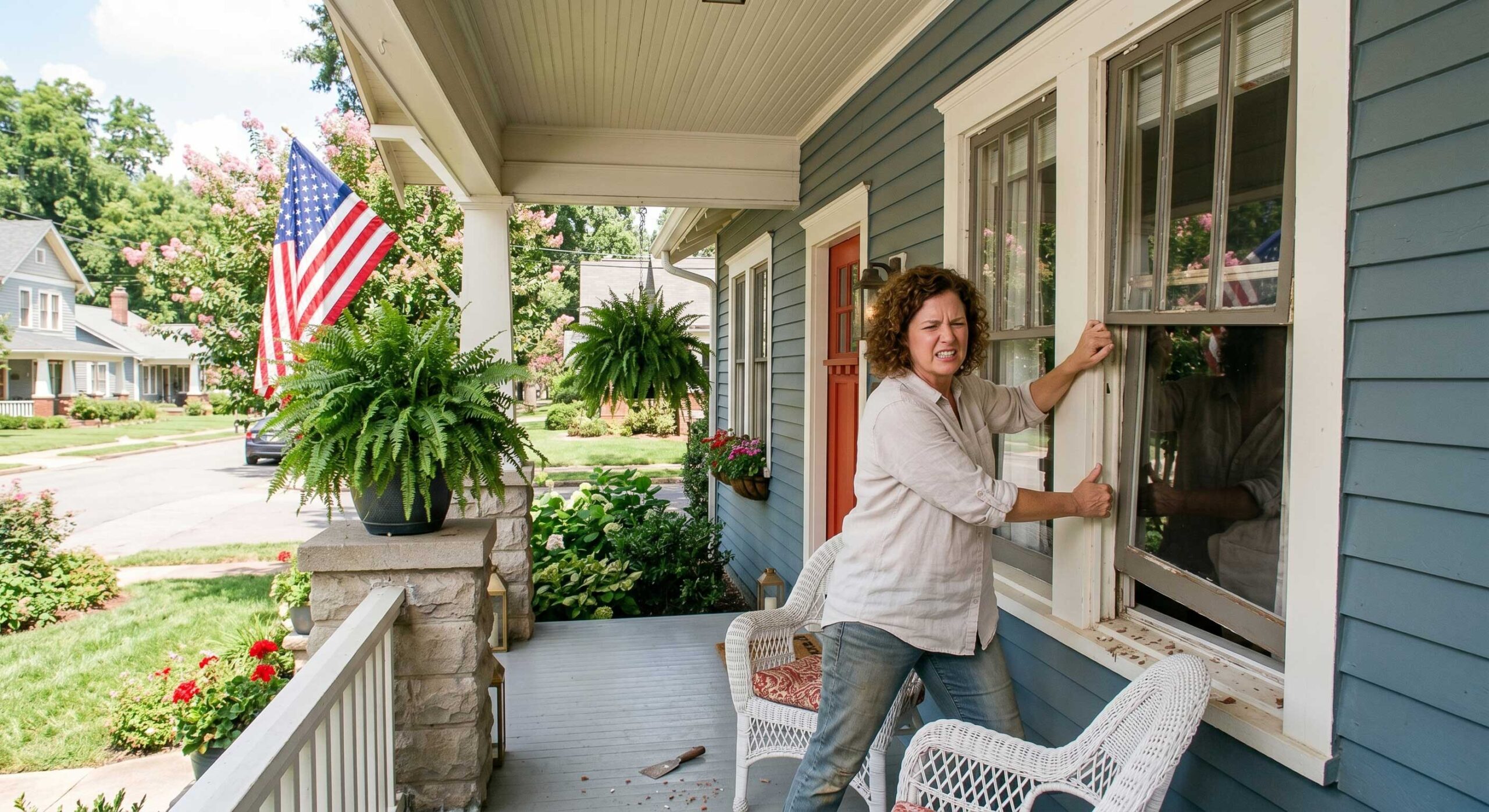
Woman trying to open a sticking and jamming window.

Why It’s Time to Replace Your Windows Before Summer Hits

It’s Time to Replace Your Windows Before Summer Hits – Here’s Why

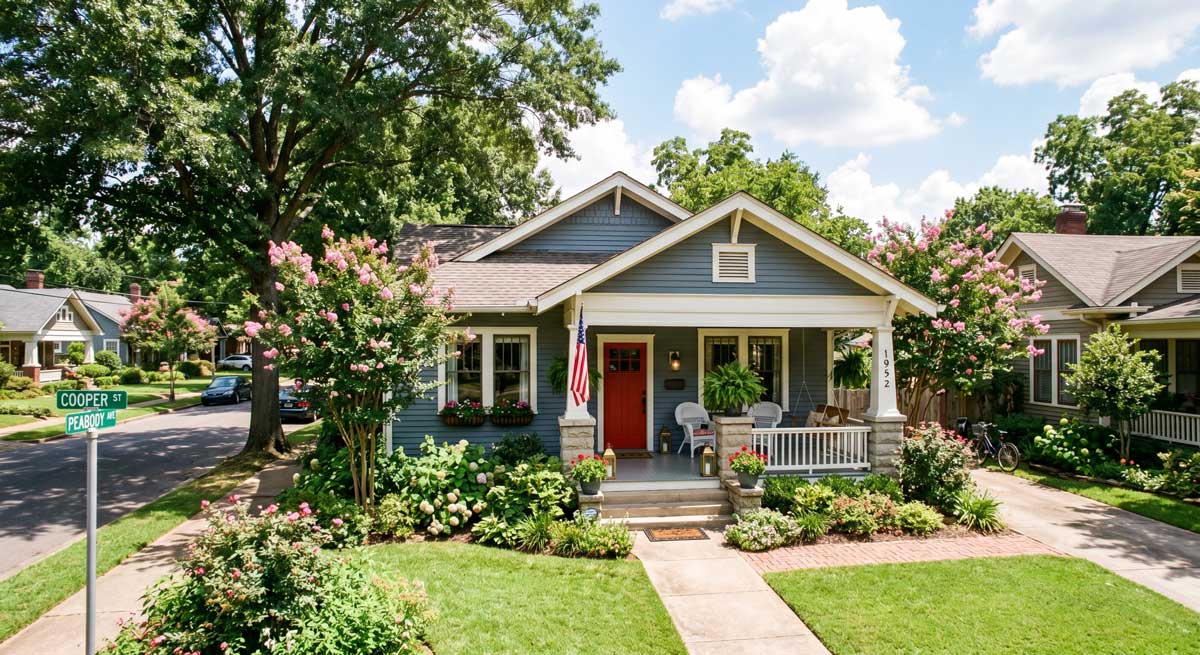
Memphis home in the summer.

When summer starts creeping in across North Carolina, most homeowners think about their AC first—not their windows.

But here’s the truth: if your windows aren’t doing their job, your AC doesn’t stand a chance.

Old or failing windows can let heat pour into your home, drive up your energy bills, and make certain rooms feel impossible to cool. The good news is your home will usually give you a few warning signs before things get that bad. Here’s what to look for.

Your Energy Bills Are Climbing (and Nothing Else Has Changed)

If your electric bill keeps going up but your usage hasn’t really changed, your windows could be part of the problem.

Older windows aren’t built to handle heat the way modern ones are. They let cool air escape and allow outside heat to creep in, forcing your AC to run longer just to keep up.

Over time, that adds up—especially during a North Carolina summer.

Certain Rooms Always Feel Hotter Than Others

If you’ve got one room that’s always warmer—no matter how low you set the thermostat—that’s a red flag.

In many cases, it comes down to poor insulation around the windows or seals that have worn out over time.

You might even notice:

  • Warm air near the glass

  • Drafts when you’re sitting nearby

  • Temperature swings throughout the day

That’s your window telling you it’s no longer doing its job.

Your Windows Stick, Jam, or Just Won’t Cooperate

Windows should open and close without a fight.

If you’re dealing with frames that stick, won’t lock properly, or feel like they’re going to break every time you use them, it’s usually a sign of age, moisture damage, or warping.

And beyond the frustration, it can also become a safety issue—especially if you ever need to open them quickly.

Woman trying to open a sticking and jamming window.

You’re Seeing Fog or Moisture Between the Glass

If there’s condensation trapped between the panes of your window, the seal has already failed.

Once that happens, the window loses its insulating ability. That means less efficiency, more heat transfer, and eventually more strain on your HVAC system.

At that point, repair is rarely worth it—replacement is usually the smarter long-term move.

Outside Noise Is Becoming More Noticeable

If it feels like you’re hearing more traffic, neighbors, or outdoor noise than you used to, your windows may not be insulating like they once did.

Modern replacement windows are designed to reduce outside noise significantly, which can make your home feel noticeably quieter and more comfortable.

Your Windows Just Look… Tired

Sometimes the signs are obvious.

Faded frames, outdated styles, or visible wear and tear don’t just affect how your home looks—they can also point to deeper issues with performance and efficiency.

Replacing your windows is one of the fastest ways to improve both curb appeal and overall home value.

Why It’s Smart to Replace Windows Before Summer

Waiting until the middle of summer to deal with window issues can cost you.

By that point:

  • Your energy bills are already higher

  • Your AC is working overtime

  • Installation schedules start filling up fast

Getting ahead of it now means you can stay comfortable, avoid peak-season delays, and start saving on energy costs sooner.

Work with Window Medic

At Window Medic, we help homeowners across North Carolina upgrade to windows that are built to handle the heat—without driving up your energy bills.

We’ll walk you through your options, give you honest recommendations, and handle the installation from start to finish.


Think your windows might be costing you this summer?
Schedule a free estimate with Window Medic and get a clear answer—no pressure, just expert guidance.

Join the newsletter!

Subscribe to keep up with tips, news, and special offers

Continue reading

New Pella windows in a brightly lit living space.

How Much Does Window Replacement Cost in Memphis?

How Much Does Window Replacement Cost in Memphis? A Complete Guide for Mid-South Homeowners

New Pella windows in a brightly lit living space.

Memphis summers are brutal, and drafty or outdated windows only make them worse. If you’re a homeowner in Mid-South searching “window replacement cost Memphis,” you’re likely weighing the investment against the payoff in energy savings, comfort, and curb appeal. Window Medic breaks it down with real local pricing insights so you can budget smartly and choose options that stand up to our heat, humidity, and occasional storms.

Factors That Drive Window Replacement Costs in Memphis

Window replacement isn’t one-size-fits-all—pricing hinges on your home’s needs and the performance you want. For Memphis-area homes, from Germantown colonials to Midtown bungalows, expect costs shaped by these key elements:

  • Window style and size: Standard double-hung or single-hung windows run lower than custom bay, bow, or picture windows that frame those iconic Mississippi River views.

  • Frame materials: Affordable vinyl resists Memphis humidity without warping; premium fiberglass or wood-clad options add durability and style but increase upfront costs.

  • Glass upgrades: Low-E coatings, argon-filled panes, and impact-resistant glass combat our hot climate and storm risks, boosting efficiency at a higher price.

  • Project scope: Replacing 10+ windows often lowers the per-unit cost compared to a single leaky pane in an older East Memphis ranch.

  • Installation details: Second-story access, trim work, or retrofits in historic homes add labor, but skilled local installers like Window Medic minimize hassle.

Typical range? A single vinyl double-hung replacement might start at $500–$800 installed, while full-home projects (10–20 windows) average $10,000–$25,000. These figures reflect 2026 Mid-South market rates, factoring in rising material costs post-storms.

Memphis Climate: Why Cheaper Isn’t Always Better

Our mid-south weather demands windows built for performance, not just price. Poorly insulated frames let humid air infiltrate, spiking A/C bills by 20–30% in July and August. Energy Star-rated windows with multi-pane glass can cut those losses, paying for themselves in 5–7 years through lower Duke Energy statements.

Homeowners often regret skimping: Foggy seals fail fast in our humidity, and thin frames can’t handle 95°F days. Opt for proven features like fusion-welded frames and weatherstripping— they deliver quiet, cool interiors without the constant hum of overworked HVAC.

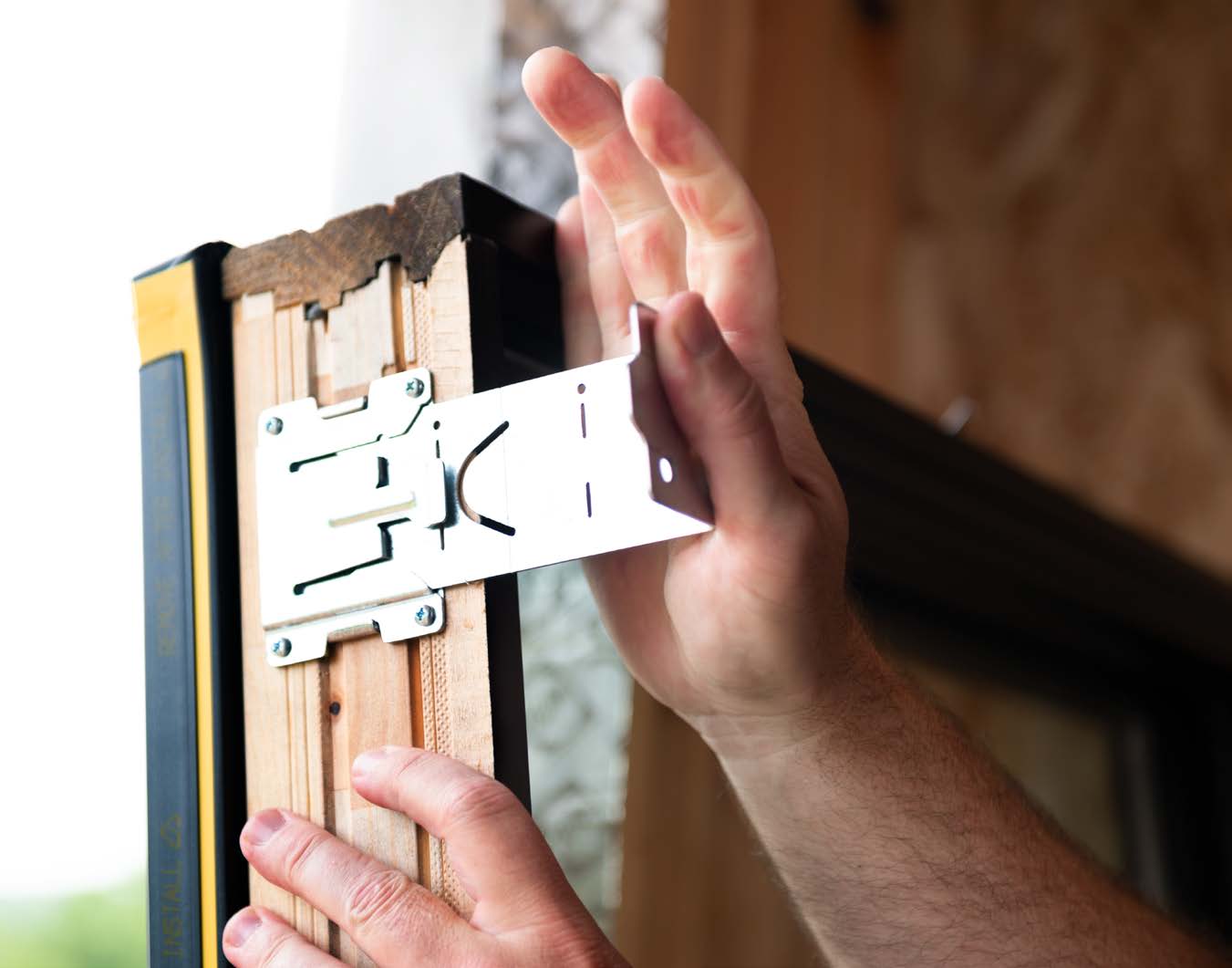
Installing brackets on a new replacement window.

Average Costs by Project Type

Project TypeAvg. Cost per Window (Installed)Total for Typical HomeBest For
Basic Vinyl Replacement (5–10 windows)$500–$800$5,000–$12,000Budget updates, rentals
Energy-Efficient Mid-Range (10–15 windows)$700–$1,100$10,000–$20,000Most Memphis families
Premium Fiberglass/Custom (Full Home)$1,000–$1,800$20,000–$40,000+Historic homes, luxury builds
Single Window/Door Combo$800–$1,500N/AQuick fixes

These estimates include pro installation—DIY rarely saves in our climate and voids warranties.

Brightly lit room with two new double hung windows.

Signs Your Memphis Windows Need Replacing Now

Don’t wait for summer sweat. Act on these red flags:

  • Drafts or hot spots near frames, even with A/C blasting.

  • Condensation between panes (failed seals = humidity trap).

  • Rising utility bills despite good insulation elsewhere.

  • Frames rotting, warping, or paint peeling from moisture.

  • Windows sticking, won’t open, or show visible cracks.

Addressing these early prevents bigger issues like mold or structural damage in our wet springs.

How Window Medic Maximizes Your Investment

At Window Medic, we focus on total value: top-tier products, flawless installs, and Memphis-specific expertise. Our process includes:

  1. Free in-home assessment of your setup.

  2. Custom quotes with no hidden fees.

  3. Lifetime warranties on labor and transferable product guarantees.

  4. Financing to spread costs over time.

Compare apples-to-apples: Ask competitors for line-item breakdowns matching our vinyl, fiberglass, or entry door options.

FAQ: Window Replacement in Memphis

How long does installation take?
Most full-home projects wrap in 1–3 days with minimal disruption—we protect floors and clean up daily.

Do new windows increase home value?
Yes, by 70–80% ROI per Remodeling Magazine’s Cost vs. Value report; energy upgrades appeal to eco-conscious buyers.

What about hurricane-resistant options?
We offer impact glass rated for Mid-South storms, qualifying for insurance discounts.

Can I replace just a few windows?
Absolutely—phased projects let you start small and scale up.

Contact Window Medic today for a free window replacement estimate.

Ready to slash energy bills and refresh your home?  Call 901-427-2742 or visit our contact page — let’s make your home cooler, quieter, and more valuable.


Join the newsletter!

Subscribe to keep up with tips, news, and special offers

Continue reading

Summer energy home audit - examining windows and doors.

Summer Energy Audit: Find & Fix Window and Door Leaks

Summer Energy Audit: Identifying Window and Door Weak Points in Your Home

When the summer sun beats down and your AC works overtime, you may wonder why your energy bills keep climbing. One of the biggest culprits? Drafty, aging windows and doors that quietly leak your cooled air right out of the house. The U.S. Department of Energy estimates that heat gain and loss through windows are responsible for 25–30% of residential heating and cooling energy use.

Before you crank up the thermostat or invest in a new HVAC system, it’s worth taking a closer look at your home’s energy performance, starting with a simple energy audit focused on your windows and doors.

In this article, we’ll guide you step-by-step on how to spot weak points, test for air leaks, and evaluate your home for heat transfer issues. Plus, we’ll share practical solutions to fix these problems—whether you’re into DIY fixes or ready to upgrade with professional replacements.

Summer energy home audit - examining windows and doors.

Why Focus on Windows and Doors?

Windows and doors are essential to your home’s comfort and efficiency, but they’re also major escape routes for conditioned air. Gaps, worn seals, outdated glass, and poor installation all contribute to:

  • Hot spots near windows

  • Increased humidity inside

  • Higher energy bills

  • Overworked HVAC systems

  • Reduced indoor comfort

A summer energy audit can help you pinpoint exactly where your windows and doors are failing so you can take action before the hottest days arrive.

Step 1: Visual Inspection

Start by walking from room to room and inspecting every window and exterior door. Here’s what to look for:

Around Windows:

  • Cracks or gaps in caulk around the frame

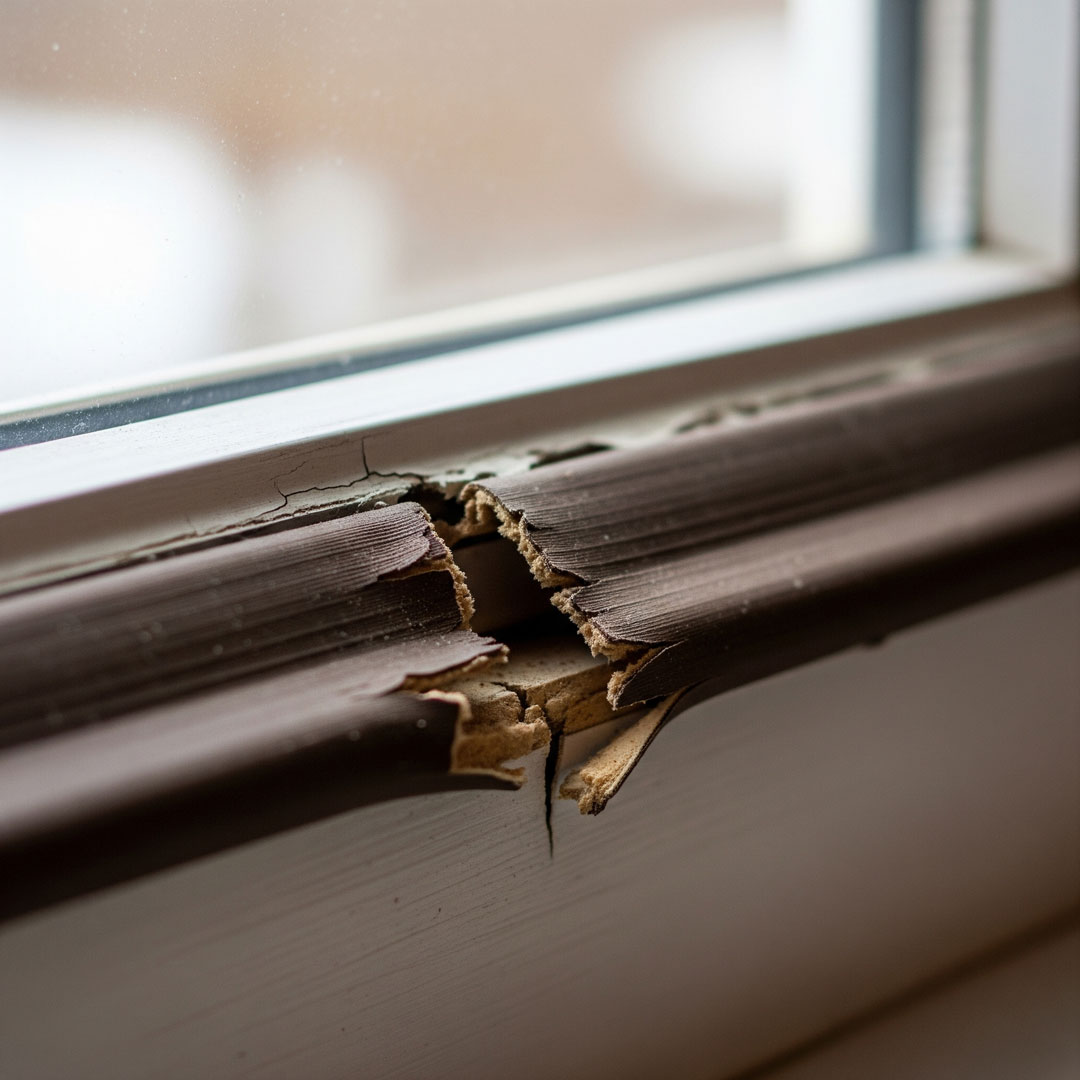
  • Discoloration or damage to the trim or sill

  • Foggy panes (a sign of broken seals in double- or triple-pane windows)

  • Warping or soft spots in wooden frames

  • Chipped or peeling paint (which may indicate water intrusion)

Around Doors:

  • Daylight visible around the edges

  • Worn weatherstripping

  • Difficulty closing or latching

  • Loose door sweeps or thresholds

  • Warping of wooden door frames or slabs

Take photos or notes so you can prioritize repairs later.

worn weather stripping around a window that needs to be repaired.

Step 2: The Hand Test

On a hot day with your AC running, slowly pass your hand around the perimeter of each window and door. Do you feel warm air seeping in? If so, that’s an indication of an air leak.

For an extra step, light an incense stick and watch the smoke as you move it near potential problem areas. If the smoke wavers or is pulled in one direction, you’ve found a leak.

Common leakage points include:

  • Corners of window frames

  • Bottom edges of doors

  • Junctions between the frame and the wall

  • Around locks and latches

Step 3: Check Weatherstripping & Seals

Most windows and doors rely on rubber or foam weatherstripping to create a tight seal when closed. Over time, this material can degrade, flatten, or come loose.

Signs your weatherstripping needs repairing:

  • Cracked or brittle rubber

  • Missing sections

  • Loose adhesive backing

  • Incomplete seals along sliding doors or double-hung windows

Also, check door sweeps—these are typically rubber flaps at the bottom of your door. If you see sunlight coming through, it’s time to replace them.

Step 4: Evaluate Heat Transfer with Infrared or Thermal Tools

If you want to get more technical, try using an infrared thermometer or thermal imaging camera (many smartphone adapters are now available for under $100). These tools can help you visually detect hot and cool spots around windows and doors.

What to look for using electronic thermal devices:

  • High contrast in temperature between the area around the frame and the wall

  • Warm panes of glass that radiate heat inside

  • Cold patches during air-conditioned hours (a sign of leakage)

This step is especially helpful in confirming whether it’s worth investing in energy-efficient replacements.

Step 5: Check Operation and Fit

Sometimes the issue isn’t just the seal—it’s the entire window or door not closing properly.

When checking for a damaged seal, ask yourself:

  • Does it stick or jam?

  • Do both sashes close tightly in double-hung windows?

  • Is there visible sagging?

  • Does the door latch securely?

Poorly operating windows and doors often lose alignment with the frame, which prevents proper sealing and invites airflow.

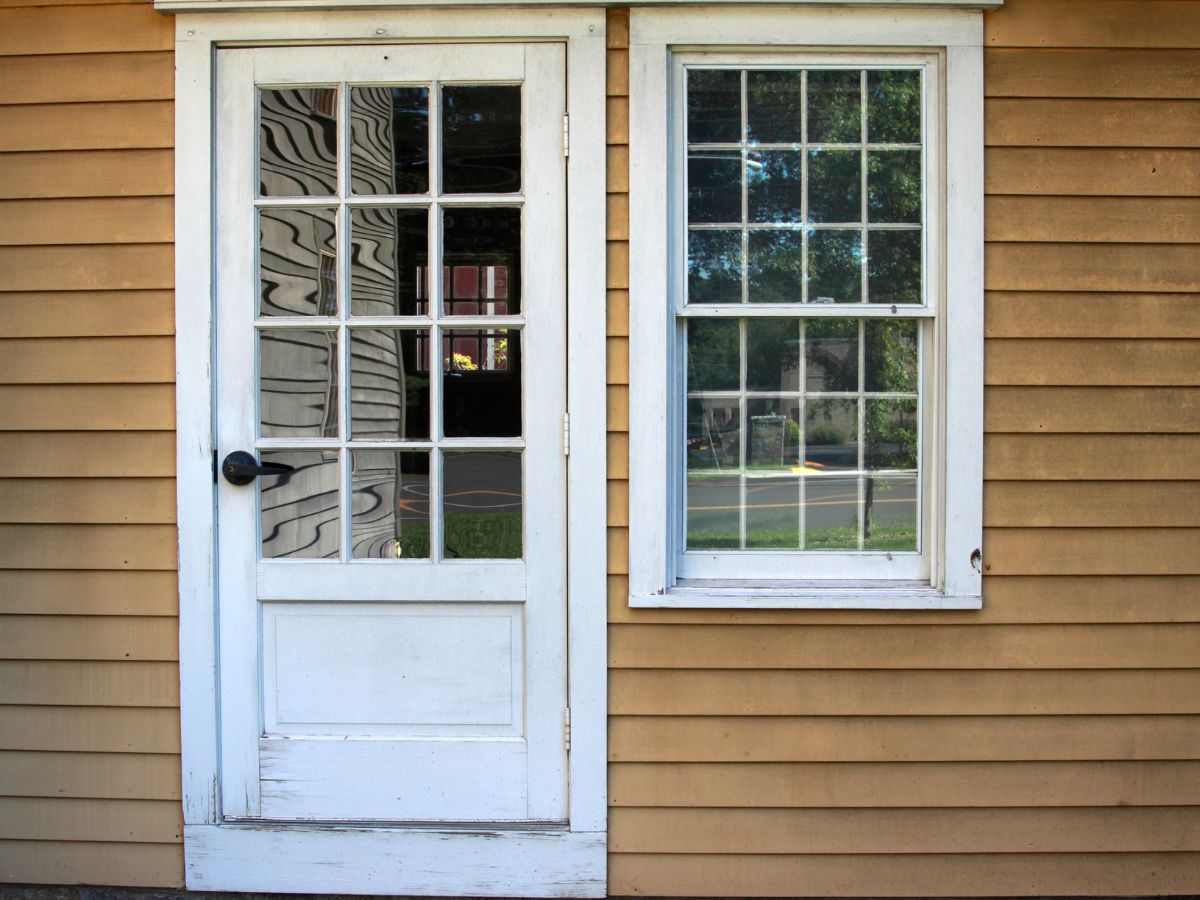
Old window and entry door that may need repair or replacement.

DIY Fixes to Improve Energy Efficiency

Once you’ve identified the problem areas, here are a few budget-friendly fixes you can tackle right away:

Recaulking and Sealing

Reapply exterior-grade silicone or latex caulk around window and door frames where you found cracks or gaps. This can block significant air leaks.

Replace Weatherstripping

Weatherstripping kits are widely available and inexpensive. Choose from adhesive-backed foam, rubber, or V-strip (springy plastic/metal). Make sure to clean the area before applying.

Install Door Sweeps or Draft Stoppers

Attach new door sweeps to the bottom of entry doors or place draft blockers on the inside floor edge. These can instantly stop airflow.

Hang Thermal Curtains or Shades

Layering windows with thick, light-blocking curtains or cellular shades can help reduce solar heat gain and keep rooms cooler. 

When It’s Time for Replacement

Sometimes, repairs only go so far. If your windows or doors are:

  • Over 20 years old

  • Single-pane or damaged double-pane

  • Difficult to operate or visibly warped

  • Allowing moisture or pests indoors

  • Failing to reduce your energy bills

If any of these problems exist, then it may be time to consider full replacement.

Benefits of New Energy-Efficient Windows and Doors:

  • Double- or triple-pane glass with Low-E coatings

  • Improved insulation with argon gas between panes

  • Stronger, more durable frames

  • Modern weatherproofing and locking systems

  • Immediate ROI through lower monthly utility bills

  • Increased home value and better curb appeal

At MidSouth Window Medic, we offer free consultations to assess your needs and recommend replacement options that suit your home, budget, and energy goals.

Final Thoughts: Small Steps, Big Savings

Summer is the perfect season to get ahead of your energy bills by addressing problem areas before the heat peaks. Whether you’re sealing a few gaps or scheduling a full window and door replacement, taking these proactive steps can significantly improve your home’s comfort, efficiency, and value.

Want a professional assessment of your home’s energy performance?

Contact Window Medic and schedule your free consultation today. Let’s identify your weak points—and turn them into strong ones.


Latest Articles

  • Planning Your Summer Window Replacement Project

    Planning Your Summer Window Replacement Project: A Step-by-Step Guide

    In this guide, we’ll walk you through every step of planning your summer window replacement project — from evaluating your needs to enjoying the results.

    Read More

  • Lower Your AC and Energy Bill

    Smart Ways to Lower Your AC Bill as Energy Costs Rise

    If your home isn’t properly sealed or insulated, your cooling system could be working harder than it should, leading to higher monthly bills and uneven temperatures throughout your house.

    Read More

Continue reading

Planning Your Summer Window Replacement Project

Summer Window Replacement: Step-by-Step Guide

Planning Your Summer Window Replacement Project: A Step-by-Step Guide

Planning Your Summer Window Replacement Project

When it comes to upgrading your home, few improvements deliver the same energy savings, comfort, and curb appeal as replacing old windows. And if you’re considering making the investment, summer is one of the best times of year to do it. With longer daylight hours, more predictable weather, and increased availability for scheduling, summer sets the stage for a smooth and timely window replacement.

In this guide, we’ll walk you through every step of planning your summer window replacement project — from evaluating your needs to enjoying the results.

Why Replace Windows in the Summer?

Before diving into the process, let’s talk about why summer is an ideal season for window replacement:

  • Dry, Warm Weather: Window replacement involves temporarily exposing your home to the elements. Summer provides drier conditions and warmer temps, making installation faster and more comfortable.

  • Better Seal Performance: Caulk and adhesives used in sealing windows cure better in warm weather, ensuring a more reliable, long-lasting installation.

  • Energy Savings: Replacing inefficient windows in the summer can reduce your reliance on air conditioning — saving you money immediately.

  • Convenient Scheduling: Many homeowners plan home improvements in the summer, which often means installation companies are fully staffed and operating efficiently.

Now, let’s explore how to plan your project with confidence.

Step 1: Evaluate Your Existing Windows

Not every window needs replacing — but knowing what to look for can help you make the right decision.

Signs It’s Time for New Windows:

  • Drafts or noticeable air leaks

  • Difficulty opening or closing

  • Fog or condensation between panes

  • Damaged or rotting frames

  • High energy bills with poor indoor temperature control

  • Outdated appearance that hurts curb appeal

Walk through your home and inspect each window closely. If you notice any of these issues, it may be time for an upgrade.

Step 2: Define Your Goals

What are you hoping to achieve with this window replacement project? Clarifying your priorities will help guide product selection and budget planning.

Common Window Replacement Goals:

  • Improve energy efficiency

  • Enhance curb appeal or update home aesthetics

  • Increase natural light or ventilation

  • Reduce maintenance

  • Add noise reduction

  • Boost home resale value

Whether your priority is lowering your electric bill or getting a fresh new look, defining your goals helps ensure your investment pays off in all the right ways.

Evaluating Your Window Replacement Project

Step 3: Set a Budget

Window replacement can be a significant investment, but it doesn’t have to break the bank — especially if you plan ahead.

Factors that Affect Cost:

  • Number of windows

  • Size and style

  • Frame materials (vinyl, wood, fiberglass, etc.)

  • Glass options (double vs. triple-pane, Low-E, argon gas fills)

  • Labor and installation costs

  • Any structural modifications

Get a general idea of your budget range. For reference, many homeowners spend between $800 and $1,400 per window, but this varies based on customization and material choices.

Also, explore financing options. At MidSouth Window Medic, we offer financing solutions to make high-quality window upgrades more affordable.

Step 4: Choose Your Window Styles & Materials

Not all windows are created equal. Selecting the right window style and material can improve performance, appearance, and maintenance needs.

Popular Window Styles:

  • Double-Hung: Classic style with two operable sashes. Easy to clean and great for ventilation.

  • Casement: Hinged on the side and open outward. Excellent for airflow and energy efficiency.

  • Sliding: Glide horizontally. Ideal for wide openings and modern homes.

  • Picture: Fixed windows that don’t open. Provide unobstructed views and maximum light.

  • Bay/Bow: Extend outward to create more space and visual interest.

Frame Material Options:

  • Vinyl: Durable, low-maintenance, and cost-effective. Excellent insulation.

  • Wood: Timeless beauty and insulation, but requires upkeep.

  • Fiberglass: Strong, weather-resistant, and energy efficient. Higher upfront cost.

  • Aluminum: Sleek and modern but less efficient unless thermally broken.

Consider your home’s architectural style, your climate, and how much upkeep you’re willing to do.

Schedule a consultation with a window replacement professional

Step 5: Schedule a Professional Consultation

Once you’ve narrowed down your needs, it’s time to talk with a window professional.

At MidSouth Window Medic, we offer free in-home consultations. During this visit, our specialists:

  • Measure your current windows

  • Assess any damage or structural issues

  • Recommend window types and materials

  • Provide a no-obligation quote

  • Answer any questions about installation and warranty

Getting expert guidance early in the process will help you avoid costly mistakes and ensure the job is done right the first time.

Step 6: Plan the Installation Timeline

Summer is a busy time for home renovations, so it’s smart to book your project early.

Here’s how to time it right:

  • Get quotes in late spring or early summer for optimal scheduling.

  • Expect a lead time of 2–6 weeks for window manufacturing after your order.

  • Installations typically take 1–2 days, depending on the number of windows.

We always work to minimize disruption. At MidSouth Window Medic, we use protective barriers and clean up thoroughly to ensure your home stays safe and tidy throughout the process.

Step 7: Prepare Your Home for Installation

A little preparation goes a long way in making the installation process smooth.

Before Installation Day:

  • Remove window treatments, blinds, or curtains

  • Move furniture away from windows

  • Take down wall décor near work areas

  • Disarm security sensors on windows

  • Keep pets and children away from the work zones

We’ll handle the rest — from removing old windows to installing new ones with precision and care.

Step 8: Enjoy the Results — and the Benefits

Once your new windows are in, you’ll feel the difference right away.

Benefits You’ll Notice:

  • Cooler indoor temps and reduced energy use

  • Lower utility bills during hot Memphis summers

  • Enhanced curb appeal and home value

  • Smooth, functional operation

  • Less outside noise for a more peaceful environment

  • Protection against UV rays that fade flooring and furniture

It’s not just an upgrade — it’s a long-term investment in your home’s efficiency, style, and comfort.

Step 9: Register Your Warranty and Maintain Your Investment

Most high-quality windows come with manufacturer warranties, and MidSouth Window Medic includes a workmanship guarantee for added peace of mind.

Be sure to:

  • Register your warranty within the required time frame

  • Keep records of your purchase and installation

  • Schedule periodic inspections to ensure optimal performance

  • Clean and inspect windows regularly to prolong their life

Need help down the road? We’re just a phone call away.

Ready to start your window replacement project?

Ready to start your project?

Summer is a fantastic time to replace your windows — and with the right plan, the process doesn’t have to be stressful or overwhelming. Whether you’re looking to beat the heat, lower energy costs, or simply update your home’s look, MidSouth Window Medic is here to help you every step of the way.

Call us today or schedule your free consultation to get started before summer flies by!


Latest Articles

  • Lower Your AC and Energy Bill

    Smart Ways to Lower Your AC Bill as Energy Costs Rise

    As energy prices continue to climb across the country, homeowners are feeling the pinch — especially as warmer weather rolls in and air conditioning becomes a daily necessity. If your home isn’t properly sealed or insulated, your cooling system could be working harder than it should, leading to higher monthly bills and uneven temperatures throughout your house.

    Read More

  • Preparing your home for storm season

    Protect Your Home This Storm Season: Preparing Windows and Doors for Severe Weather

    Spring is right around the corner, and with it comes storm season. Strong winds, heavy rain, and flying debris can put your home at risk. In this article, we break down the best ways to prepare your windows and doors for storm season, including signs they may need repair or replacement.

    Read More

Join the newsletter!

Subscribe to keep up with tips, news, and special offers

Continue reading

Lower Your AC and Energy Bill

Smart Ways to Lower Your AC Bill as Energy Costs Rise

Smart Ways to Lower Your AC Bill as Energy Costs Rise

Lower Your AC and Energy Bill

As energy prices continue to climb across the country, homeowners are feeling the pinch — especially as warmer weather rolls in and air conditioning becomes a daily necessity. If your home isn’t properly sealed or insulated, your cooling system could be working harder than it should, leading to higher monthly bills and uneven temperatures throughout your house.

At MidSouth Window Medic, we help Memphis-area homeowners improve their home’s efficiency through window and door upgrades, wood rot repair, and practical solutions that can make a real difference — without breaking the bank.

Here are some smart, actionable ways to reduce your air conditioning bill and keep your home comfortable during warm weather months.

Seal gaps in your windows and doors

1. Seal Air Leaks Around Windows and Doors

Even small gaps around your windows and exterior doors can let cooled air escape while allowing warm air in. This constant exchange forces your HVAC system to work overtime — and that adds up quickly on your energy bill.

Look for drafty spots near window frames and door edges. Weatherstripping, caulking, or professional repair can go a long way toward keeping that treated air inside.

Did you know? Most energy loss happens through windows and doors. Replacing outdated ones with modern vinyl windows and energy-efficient entry doors can significantly reduce your monthly costs.


2. Block Out Excess Heat with Window Coverings

You don’t need to live in direct sunlight to feel the impact of heat gain through your windows. Using window coverings strategically can help reduce the amount of heat entering your home throughout the day:

  • Use blackout curtains or thermal shades on south- and west-facing windows.

  • Keep blinds closed during peak sun hours to prevent unnecessary warming.

If your windows are outdated or single-pane, consider upgrading to low-E glass vinyl windows, which reflect heat and UV rays without sacrificing natural light.


3. Inspect for Wood Rot Around Windows and Doors

Wood rot isn’t just a cosmetic issue — it often leads to air leaks that are hard to detect until your energy bill spikes. As temperatures rise, moisture and heat can worsen existing rot, especially in older homes.

Our team at MidSouth Window Medic offers expert wood rot repair to help you restore your home’s structure and energy efficiency without needing a full replacement.

Wood rot around vinyl windows

4. Upgrade to a Smart Thermostat

Adjusting your thermostat just a few degrees when you’re out of the house can result in noticeable savings. A programmable or smart thermostat automates this for you, helping you reduce unnecessary cooling when no one’s home.

Combine smart climate control with proper insulation and energy-efficient windows, and you’ll have a powerful setup to combat rising energy costs.


5. Have Your HVAC System Tuned Up

An annual tune-up for your HVAC system ensures it’s running as efficiently as possible. Dirty filters, refrigerant issues, or leaky ductwork can all reduce efficiency and increase costs — even if your windows and doors are sealed.

Pairing a well-maintained AC unit with airtight windows and doors helps your system do its job more effectively.


6. Consider Upgrading Old Windows or Doors

If your windows are decades old, or your exterior doors feel flimsy or warped, you could be losing money every time your AC turns on. Older windows and hollow doors transfer heat more easily, which makes it harder to maintain a consistent indoor temperature.

Today’s vinyl replacement windows and insulated entry doors are designed with energy efficiency in mind, helping you cut cooling costs while enhancing curb appeal and home value.

Update old windows for new vinyl windows

Energy Savings Add Up

With energy prices on the rise, every little bit counts. Whether it’s sealing up gaps, repairing damaged wood, or upgrading your home’s envelope with efficient windows and doors, small improvements can lead to long-term savings.

If you’re ready to take control of your home’s energy performance, MidSouth Window Medic is here to help. Contact us for a free quote, and we’ll assess your current setup and recommend solutions that work for your budget and your home.


Latest Articles

  • Preparing your home for storm season

    Protect Your Home This Storm Season: Preparing Windows and Doors for Severe Weather

    Spring is right around the corner, and with it comes storm season. Strong winds, heavy rain, and flying debris can put your home at risk. In this article, we break down the best ways to prepare your windows and doors for storm season, including signs they may need repair or replacement.

    Read More

  • DIY Window Screen Replacement

    DIY Window Screen Replacement

    Are you dealing with torn or damaged window screens? Don’t worry! Window Medic is here to guide you through the process of DIY window screen replacement. While we offer professional window screen repair services in Memphis and North Mississippi, we understand that some homeowners prefer to tackle this task themselves. Follow our expert tips to replace your window screens effectively and affordably.

    Read More

Join the newsletter!

Subscribe to keep up with tips, news, and special offers

Continue reading

Preparing your home for storm season

Storm Season Window & Door Prep

Protect Your Home This Storm Season: Preparing Windows and Doors for Severe Weather

Preparing your home for storm season

Spring is right around the corner, and with it comes storm season. Strong winds, heavy rain, and flying debris can put your home at risk—especially if your windows and doors aren’t built to withstand severe weather.

Your home’s entry points are its first line of defense, so ensuring they’re storm-ready can help prevent costly damage, leaks, and safety hazards. Below, we break down the best ways to prepare your windows and doors for storm season, including signs that may need repair or replacement.

Storm-Ready Windows: Protecting Your Home from High Winds & Rain

Windows are among the most vulnerable parts of your home during a storm. Cracked or weak glass can shatter under pressure, while poor seals can allow water to seep in, leading to costly interior damage.

Signs Your Windows Aren’t Ready for Storm Season

Before storm season arrives, check your windows for these common warning signs:

  • Cracks or chips in the glass – Even small cracks can weaken the entire window.
  • Soft or rotting window frames – Moisture damage weakens window structures, making them more vulnerable to storm pressure.
  • Drafts or air leaks – If air can get in, water can too. Check for leaks around the edges.
  • Difficulty opening, closing, or locking – Windows that don’t close securely may be forced open by strong winds.

Best Window Options for Storm Protection

If your windows are outdated or showing signs of wear, upgrading to storm-resistant windows can help safeguard your home.

  • Impact-Resistant Windows – Designed to withstand high winds and debris, these windows use laminated glass that won’t shatter easily.
  • Double or Triple-Pane Glass – Extra layers add insulation and durability against pressure.
  • Storm Shutters or Window Film – External storm shutters protect the glass, while security film helps prevent breakage.
  • Reinforced Window Frames – Vinyl or fiberglass frames offer better durability than traditional wood.

How to Strengthen Your Homes Windows Before Storm Season

  • Seal Gaps & Cracks – Apply fresh caulk or weatherstripping to prevent leaks and drafts.
  • Upgrade to Impact-Resistant Glass – A smart investment for homes in storm-prone areas.
  • Install Storm Shutters – If a full window replacement isn’t in your budget, shutters add an extra layer of protection.
  • Check Locks & Latches – Ensure windows close securely to prevent wind pressure from forcing them open.

Prepping windows for a rain storm

Storm-Ready Doors: Strengthening Your Home’s First Line of Defense

Your entry doors play a crucial role in keeping storms out. Weak, outdated doors can warp, crack, or even be blown open during high winds, leaving your home vulnerable to water damage and debris.

Signs Your Doors Need an Upgrade Before Storm Season

  • Warped or rotting door frames – Moisture damage weakens door stability and security.
  • Hollow or thin exterior doors – These provide little protection against strong winds and debris impact.
  • Loose or worn-out hinges – High winds can easily push open a door with weak hinges.
  • Drafts and poor sealing – Gaps around the door allow wind and rain to enter.

Best Doors for Storm Protection

If your current doors aren’t up to the challenge, consider upgrading to one of these storm-resistant options:

  • Fiberglass Doors – Highly durable and resistant to warping or rotting.
  • Steel Doors – Offer excellent impact resistance and long-lasting security.
  • Hurricane-Rated Doors – Built to meet strict wind and impact standards for extreme weather.
  • Storm Doors – Adds an extra protective layer to your entryway, reducing wind pressure on your main door.

How to Reinforce Your Doors Before Storm Season

  • Upgrade to a Stronger Door Material – Steel or fiberglass doors offer superior storm resistance.
  • Replace Worn-Out Weatherstripping – Sealing gaps helps keep wind and water out.
  • Install a Storm Door – An affordable way to add extra protection without replacing your main door.
  • Check & Tighten Hinges and Locks – Secure locks and strong hinges prevent doors from being forced open by wind pressure.

getting your house ready for a rain storm

Prepare Your Home Now & Stay Ahead of the Storm

Storm season can be unpredictable, but your home doesn’t have to be vulnerable. Ensuring your windows and doors are in top condition can make all the difference when severe weather strikes.

If you need window repairs, replacements, or storm-ready doors, MidSouth Window Medic is here to help. Contact us today for a consultation and protect your home before the storms arrive!


Latest Articles

  • DIY Window Screen Replacement

    DIY Window Screen Replacement

    Are you dealing with torn or damaged window screens? Don’t worry! Window Medic is here to guide you through the process of DIY window screen replacement. While we offer professional window screen repair services in Memphis and North Mississippi, we understand that some homeowners prefer to tackle this task themselves. Follow our expert tips to replace your window screens effectively and affordably.

    Read About Screen Replacement

  • Beat The Heat With New Windows For Your Home

    Beat the Heat: Energy Conservation Tips for Your Home in Hot Weather

    As temperatures soar during the scorching summer months, keeping your home cool can feel like an uphill battle. Not only does this constant battle against the heat take a toll on your comfort, but it can also lead to a spike in your energy bills. However, fear not! With a few simple energy conservation tips and strategic upgrades, you can keep your home comfortable while saving both energy and money.

    Read How To Beat The Heat

Join the newsletter!

Subscribe to keep up with tips, news, and special offers

Continue reading

DIY Window Screen Replacement

DIY Window Screen Replacement

DIY Window Screen Replacement: Expert Tips from Window Medic

DIY Window Screen Replacement

Are you dealing with torn or damaged window screens? Don’t worry! Window Medic is here to guide you through the process of DIY window screen replacement. While we offer professional window screen repair services in Memphis and North Mississippi, we understand that some homeowners prefer to tackle this task themselves. Follow our expert tips to replace your window screens effectively and affordably.

Why Replace Your Window Screens?

Window Screen Replacement: Materials You’ll Need

  • New screen material (fiberglass or aluminum)
  • Spline (rubber cord)
  • Spline roller tool
  • Utility knife
  • Scissors
  • Flathead screwdriver
  • Measuring tape
  • Pencil

Step-by-Step Guide to Replacing Window Screens

  1. Remove the Old Screen
  2. Clean the Window Frame
  3. Measure and Cut New Screen Material
  4. Position the New Screen
  5. Install the Spline
  6. Trim Excess Screen Material
  7. Check Tightness and Make Adjustments
  8. Reinstall the Screen in the Window

Pro Tips for Successful Window Screen Replacement

  1. Choose the right screen material
  2. Use the correct spline size
  3. Work in a clean, flat area
  4. Take your time
  5. Consider weather conditions
  6. Double-check measurements
  7. Practice on an old frame first

Common Window Screen Replacement Issues and Solutions

  • Wrinkles in the screen
  • Torn screen during installation
  • Difficulty installing spline
  • Screen popping out of groove

When to Call Window Medic for Professional Help

While many homeowners can replace window screens themselves, some situations call for professional assistance:

  • Multiple damaged screens
  • Custom or oversized windows
  • Damaged window frames
  • Lack of time or proper tools

Vinyl Window Screen Repair

Maintaining Your New Window Screens [Maintenance tips]

Why Choose Window Medic for Your Window Screen Needs?

At Window Medic, we specialize in all aspects of window repair and replacement, including expert window screen services. Our team of professionals can handle any window screen issue quickly and efficiently, saving you time and ensuring a perfect fit every time.

Need help with your window screens? Contact Window Medic today for a free consultation and quote on our professional window screen replacement services!


Latest Articles

  • Beat The Heat With New Windows For Your Home

    Energy Conservation Tips for Your Home in Hot Weather

    As temperatures soar during the scorching summer months, keeping your home cool can feel like an uphill battle. Not only does this constant battle against the heat take a toll on your comfort, but it can also lead to a spike in your energy bills. However, fear not! With a few simple energy conservation tips and strategic upgrades, you can keep your home comfortable while saving both energy and money.

    Read More

  • Spring Cleaning Your Home Windows

    Spring Revival: Maintaining and Cleaning Your Home Windows and Doors

    In this comprehensive guide, we’ll delve into the art of spring cleaning for your windows and doors, empowering you with the knowledge and techniques needed to restore their sparkle and ensure their optimal performance. From assessing the condition of your fixtures to selecting the right cleaning products and techniques, we’ll cover everything you need to know to revitalize your home’s exterior.

    Read More

Continue reading